
Stroke Rehabilitation Physiotherapy at Home – Regain
Strength & Mobility
in Gurugram, Delhi NCR, Noida, Faridabad & Ghaziabad
Stroke Rehabilitation Physiotherapy at Home – Regain Strength & Mobility
in Gurugram, Delhi NCR, Noida, Faridabad & Ghaziabad
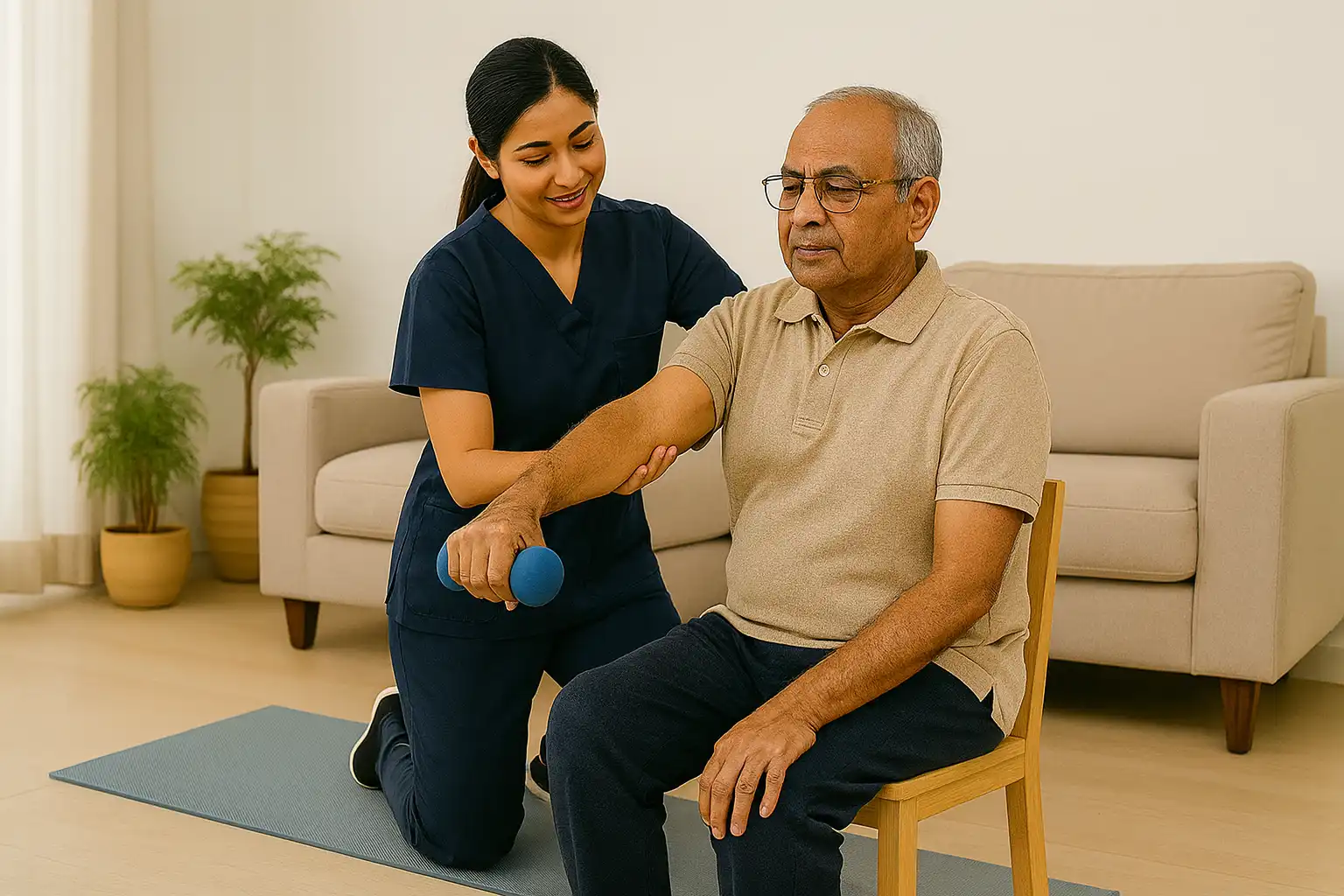
Understanding Stroke Rehabilitation
A stroke occurs when blood flow to a part of the brain is interrupted, causing brain cells to lose oxygen and stop functioning. This often results in weakness, paralysis, or loss of coordination — typically on one side of the body. Stroke rehabilitation physiotherapy focuses on helping patients regain independence, restore muscle control, and improve daily function through structured movement training.
Conditions We Treat
Conditions We Treat
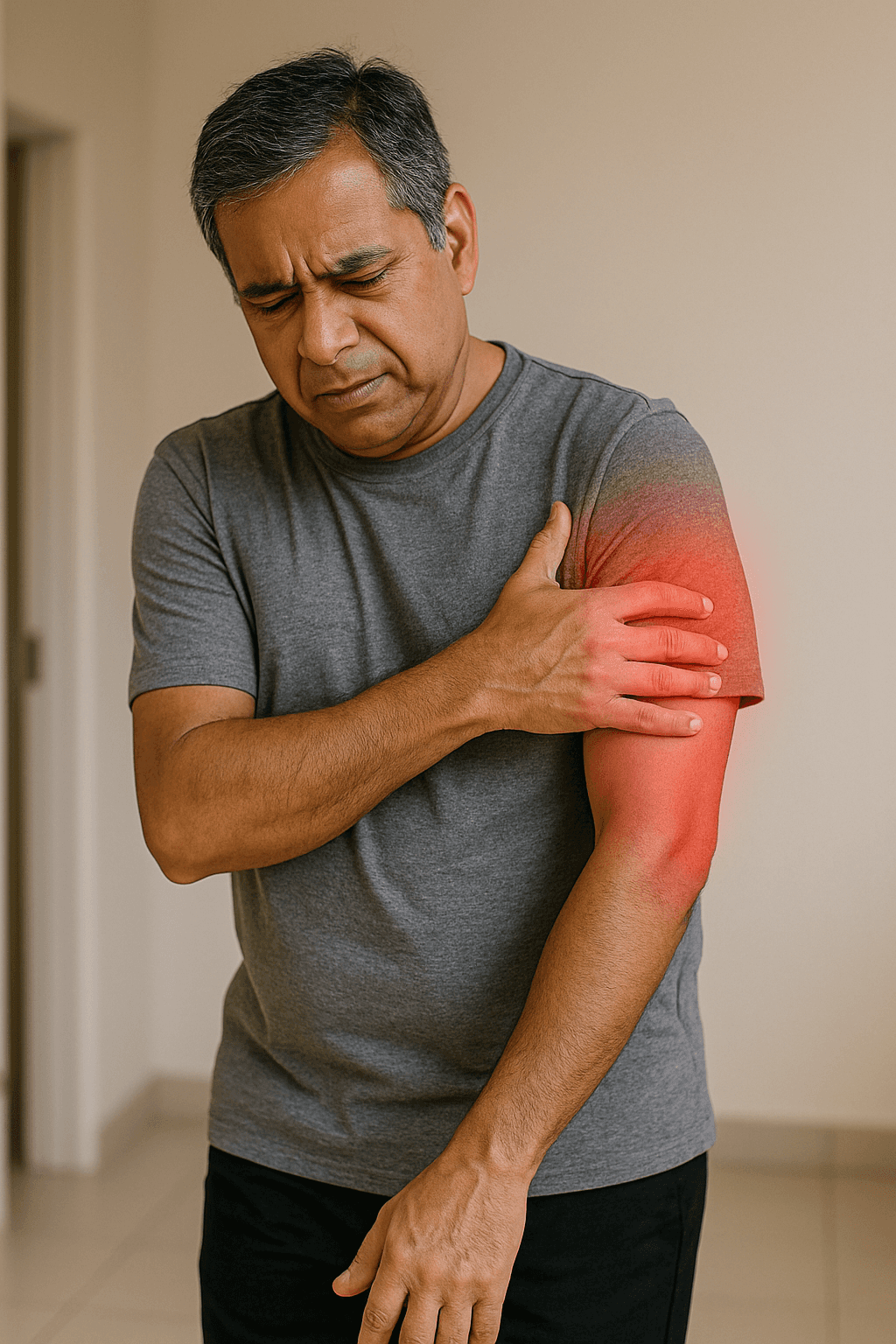
Stroke Rehabilitation
Loss of motor function, balance, and coordination following a stroke due to brain injury.
Stroke Rehabilitation
Loss of motor function, balance, and coordination following a stroke due to brain injury.
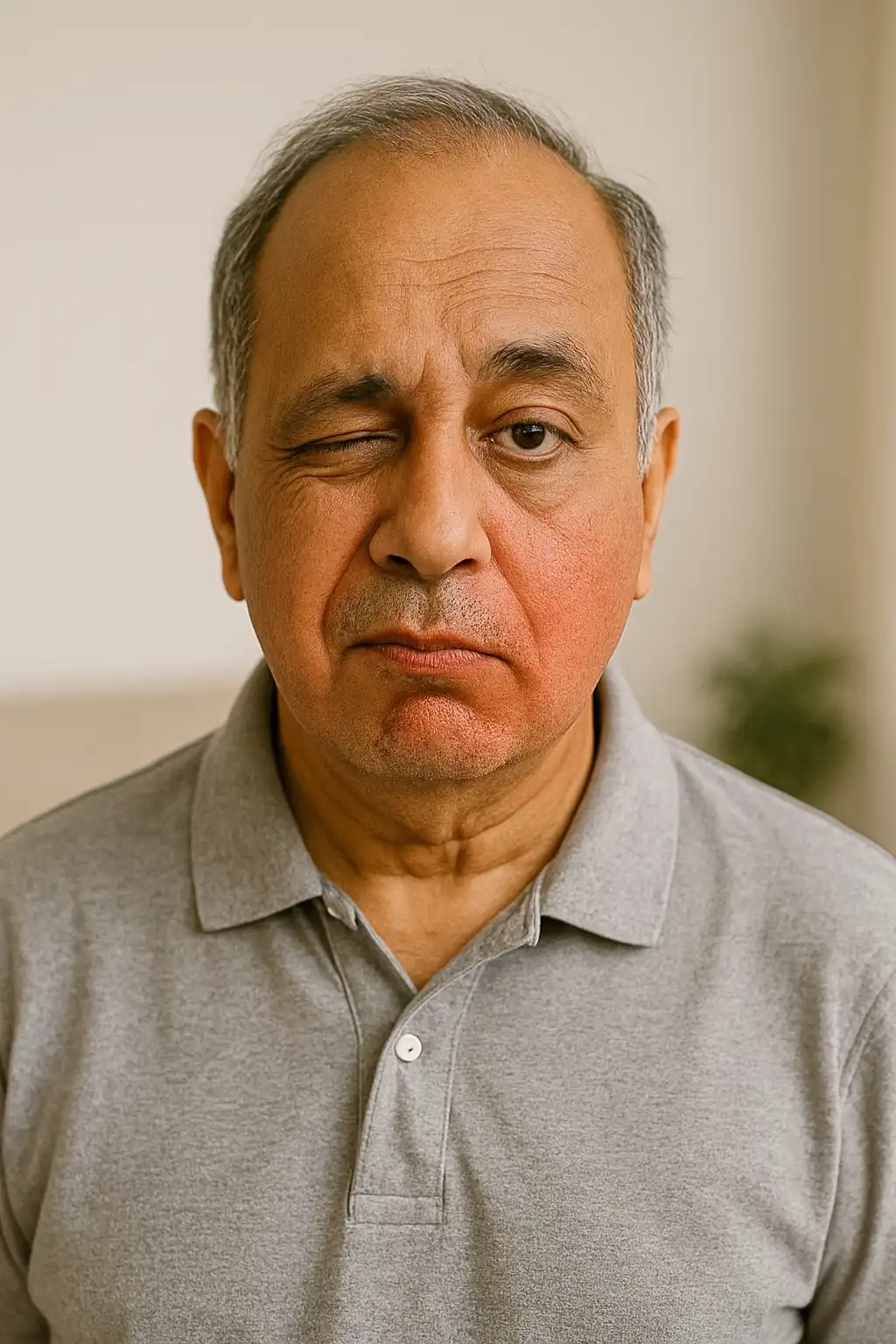
Bell’s Palsy
(Facial Nerve Paralysis)
Sudden facial muscle weakness on one side of the face affecting expression and eye closure.
Bell’s Palsy
Sudden facial muscle weakness on one side of the face affecting expression and eye closure.
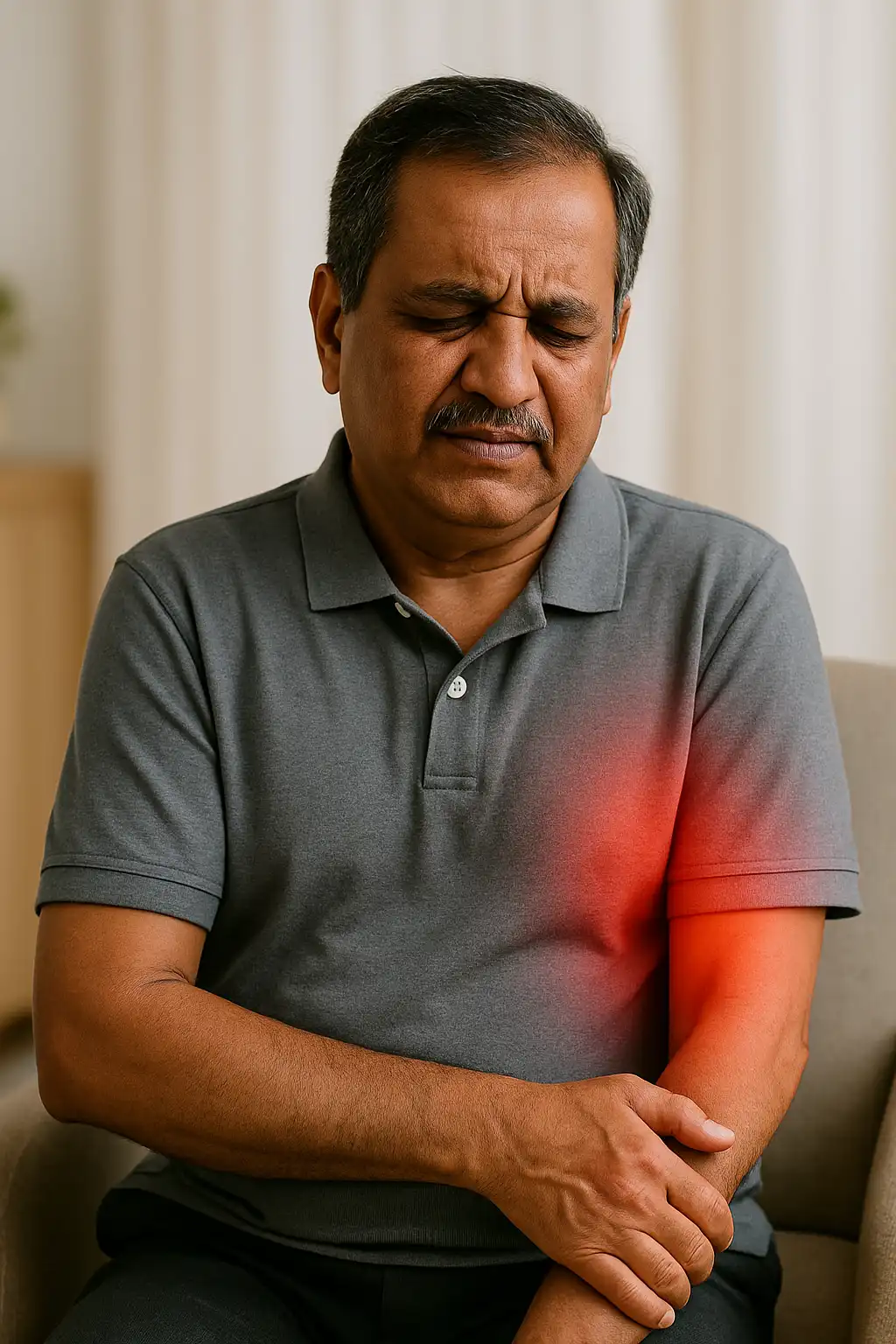
Hemiplegia
Hemiplegia is complete paralysis on one side of the body, usually affecting the arm and leg due to brain damage after a stroke.
Hemiplegia
Hemiplegia is complete paralysis on one side of the body, usually affecting the arm and leg due to brain damage after a stroke.
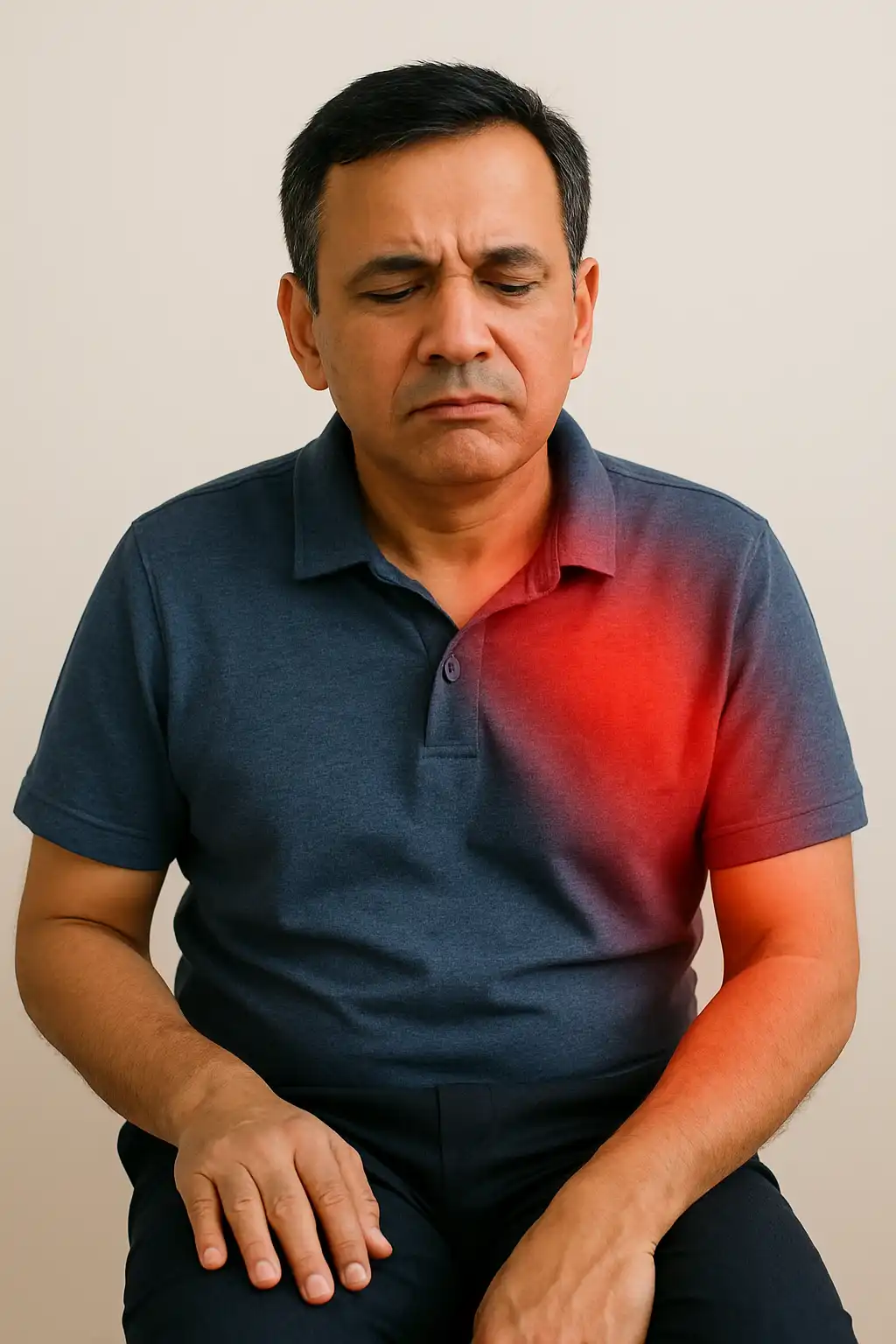
Hemiparesis
Hemiparesis causes weakness or partial loss of movement on one side of the body, primarily impacting the limbs and facial muscles.
Hemiparesis
Hemiparesis causes weakness or partial loss of movement on one side of the body, primarily impacting the limbs and facial muscles.
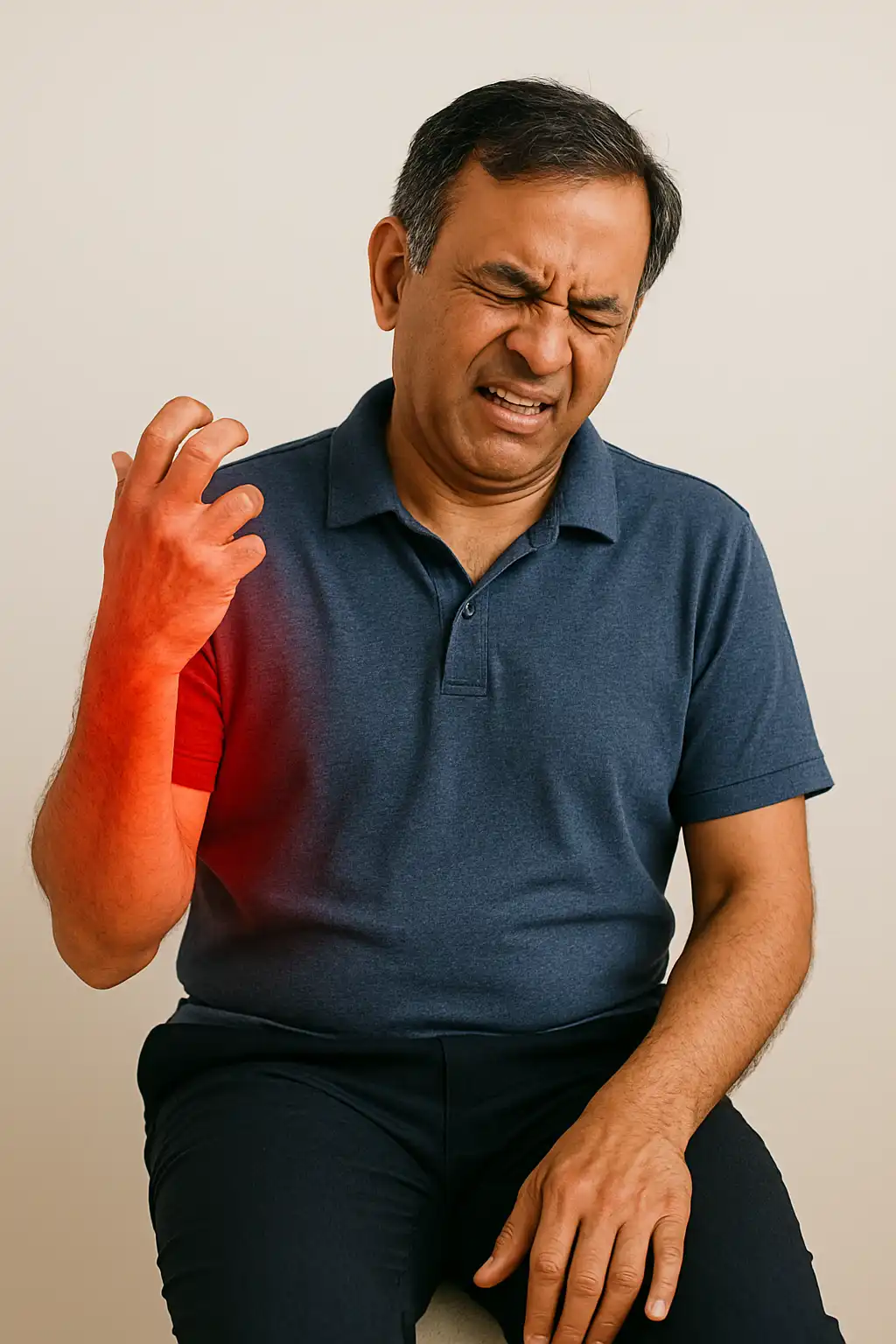
Spasticity
Spasticity leads to tight, stiff muscles and uncontrolled movements, commonly affecting the arms, legs, and joints on the affected side.
Spasticity
Spasticity leads to tight, stiff muscles and uncontrolled movements, commonly affecting the arms, legs, and joints on the affected side.
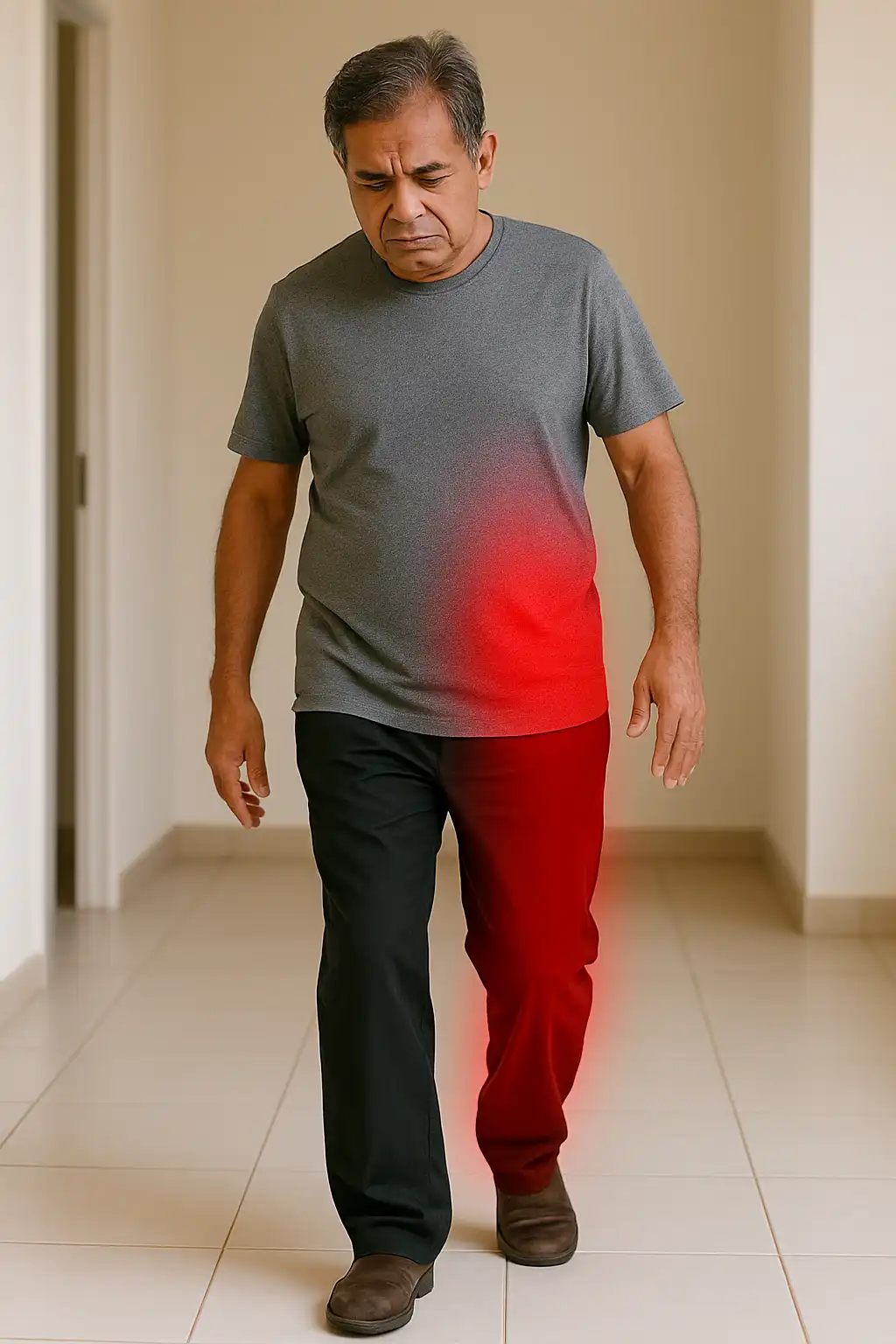
Gait Imbalance
Gait imbalance results in unsteady walking and poor coordination, mostly affecting the legs and lower body muscles involved in balance.
Gait Imbalance
Gait imbalance results in unsteady walking and poor coordination, mostly affecting the legs and lower body muscles involved in balance.
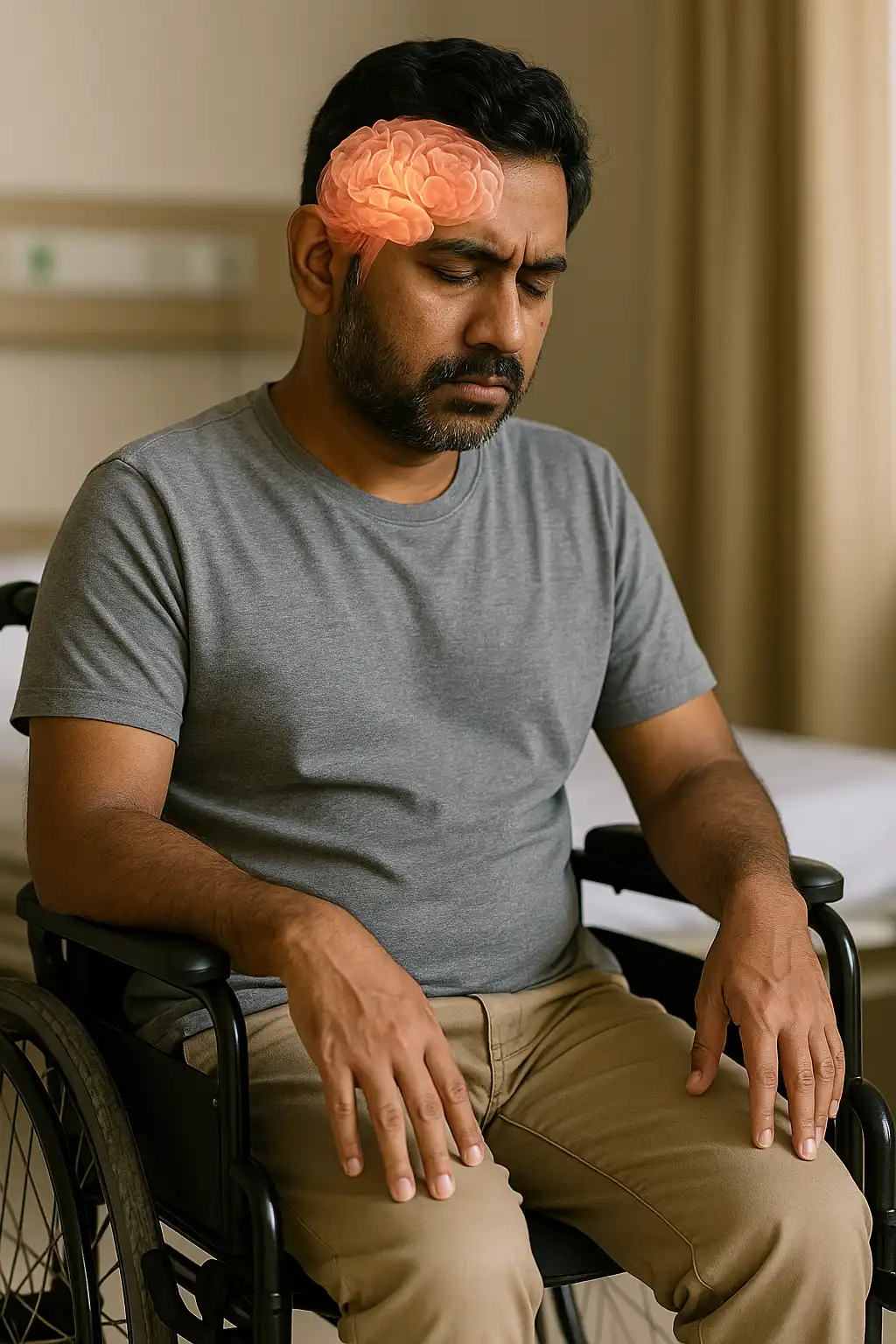
Paralysis
Partial or total muscle function loss due to nerve or brain damage.
Paralysis
Partial or total muscle function loss due to nerve or brain damage.
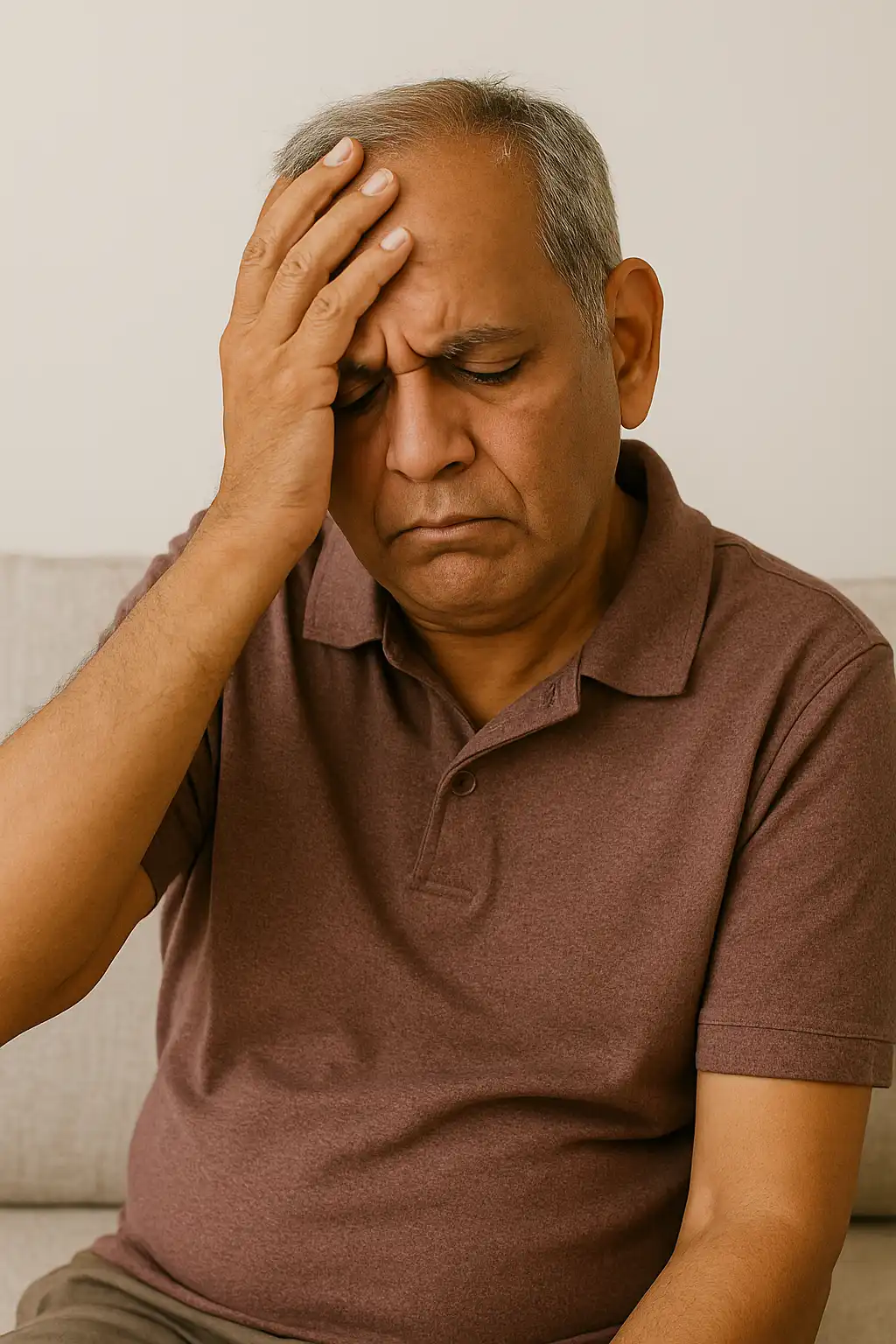
Dysphagia
Post-stroke fatigue is persistent tiredness and low energy that affects the whole body, slowing recovery and daily activity performance.
Dysphagia
Post-stroke fatigue is persistent tiredness and low energy that affects the whole body, slowing recovery and daily activity performance.
Overview
Common Causes of Stroke
Blockage of blood flow (Ischemic stroke)
Brain bleeding due to vessel rupture (Hemorrhagic stroke)
High blood pressure or cholesterol
Diabetes and heart disease
Smoking, obesity, or sedentary lifestyle
Family history of stroke or vascular problems
Common Symptoms
Sudden weakness or numbness in face, arm, or leg (especially one side)
Difficulty speaking, understanding, or swallowing
Loss of balance, coordination, or walking ability
Drooping of one side of the face
Blurred or double vision
Severe headache or dizziness
Diagnosis & Assessment
Neurological examination of motor and sensory function
Brain imaging (CT, MRI) to determine stroke type and location
Assessment of strength, balance, and mobility
Functional evaluation to guide physiotherapy goals
How to Prevent Stroke and Its Complications
Control blood pressure through diet, exercise, and regular checkups
Maintain healthy cholesterol levels and manage diabetes effectively
Quit smoking and limit alcohol consumption
Stay physically active with daily movement or guided exercise
Eat a balanced diet rich in fruits, vegetables, and whole grains
Manage stress through mindfulness and relaxation practices
Our Physiotherapy Approach for Stroke Rehabilitation
Our Physiotherapy Approach for Stroke Rehabilitation
Our personalized stroke rehabilitation programs focus on helping patients regain independence, movement, and confidence. We use a combination of:
Range of motion and mobility exercises – to restore joint flexibility
Range of motion and mobility exercises – to restore joint flexibility
Balance and gait training – to improve walking stability
Balance and gait training – to improve walking stability
Muscle re-education – to strengthen weakened limbs
Muscle re-education – to strengthen weakened limbs
Functional retraining – for everyday tasks like standing, sitting, or grasping objects
Functional retraining – for everyday tasks like standing, sitting, or grasping objects
Speech and coordination support – where applicable, through integrated therapy
Speech and coordination support – where applicable, through integrated therapy
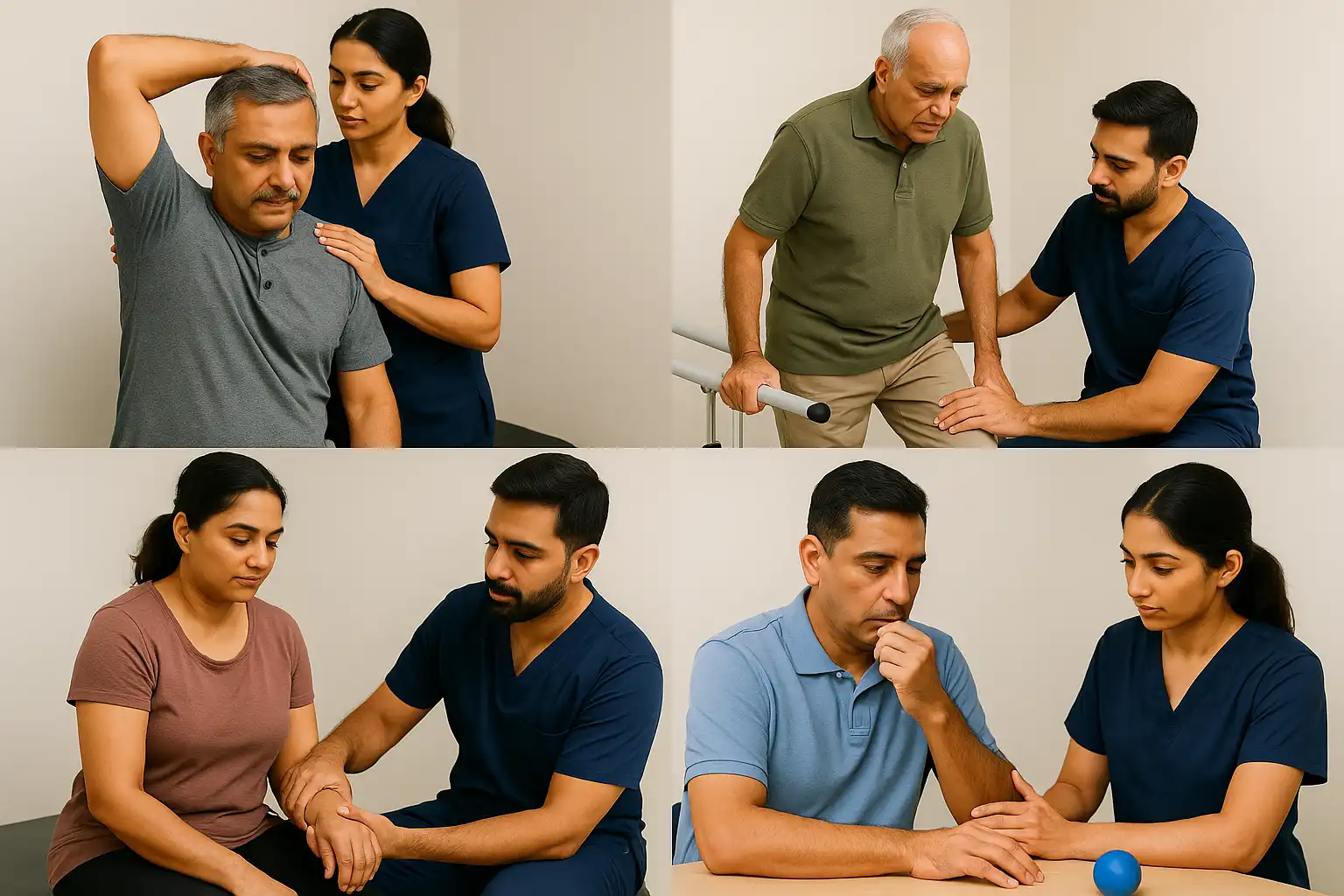
Home Physiotherapy for Stroke Patients
in Gurugram, Delhi NCR, Noida, Faridabad & Ghaziabad
Home Physiotherapy for Stroke Patients
in Gurugram, Delhi NCR, Noida, Faridabad & Ghaziabad
In-Person Sessions
In-Person Sessions
Virtual Sessions
Virtual Sessions
Focus Areas
Home physiotherapy is ideal for stroke patients who face mobility challenges or need consistent, one-on-one care in a comfortable environment.
Benefits of Home Physiotherapy:
Personalized care in familiar surroundings
Reduced travel fatigue and stress
Family participation in therapy and recovery
Use of portable rehabilitation equipment
Faster progress through regular, focused sessions
Why Choose Our Home Physiotherapy Services
1
Experienced neuro physiotherapists specializing in post-stroke recovery and mobility training
2
Affordable home care packages in Gurugram, Delhi NCR, Noida, Faridabad and Ghaziabad
3
Use of advanced rehabilitation equipment and neuromuscular stimulation tools
FAQ
FAQ
Can stress really cause muscle pain and stiffness?
Can I combine physiotherapy with yoga or meditation?
Will posture correction help prevent stress-induced pain?
How can physiotherapy help relieve stress-related tension?
Can stress really cause muscle pain and stiffness?
Can I combine physiotherapy with yoga or meditation?
Will posture correction help prevent stress-induced pain?
How can physiotherapy help relieve stress-related tension?