
Spinal Cord Injury (SCI) Rehabilitation Physiotherapy at Home – Regain Mobility & Independence
in Gurugram, Delhi NCR, Noida, Faridabad & Ghaziabad
Spinal Cord Injury (SCI) Rehabilitation Physiotherapy at Home – Regain Mobility & Independence
in Gurugram, Delhi NCR, Noida, Faridabad & Ghaziabad
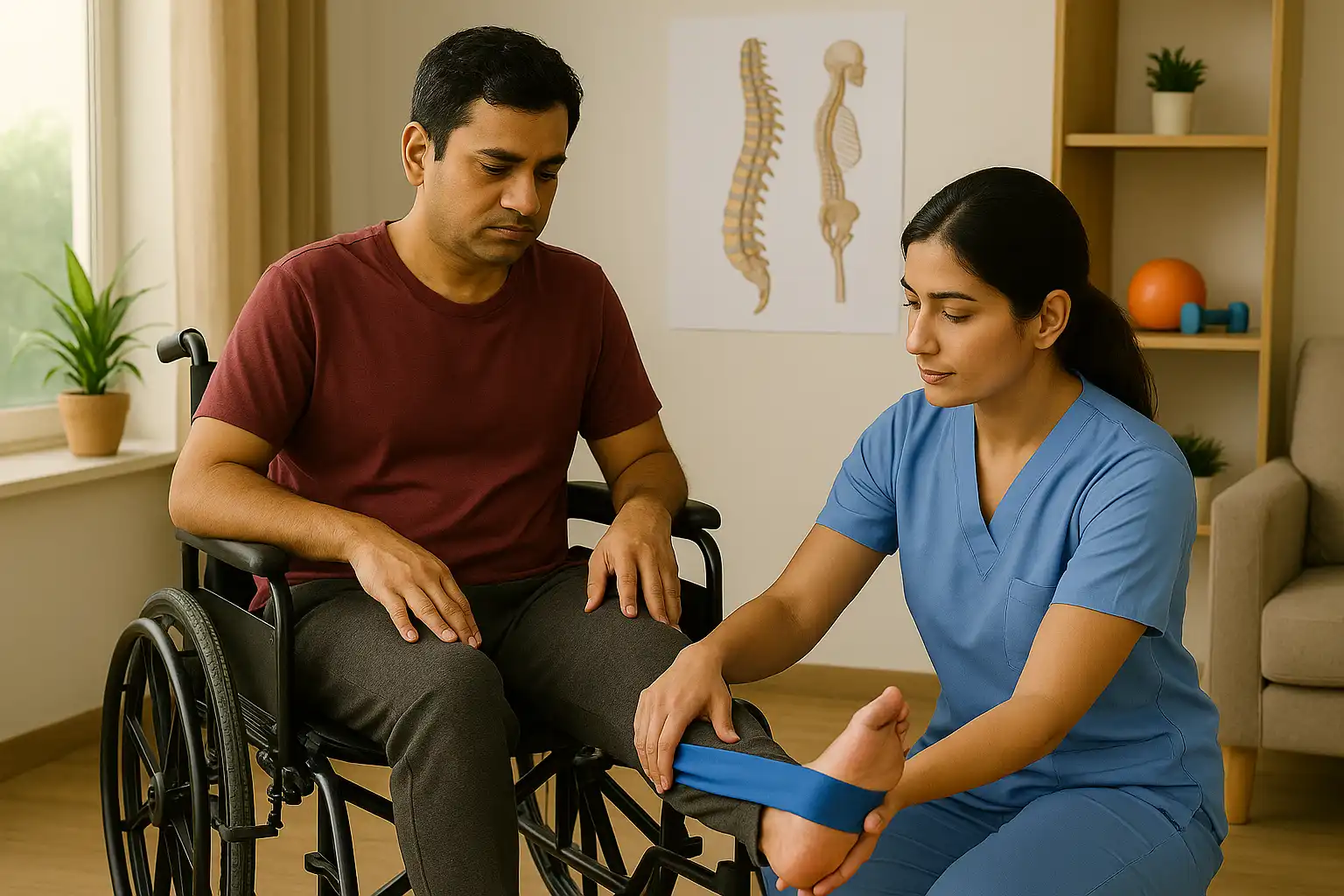
Understanding Spinal Cord Injury Rehabilitation
A spinal cord injury (SCI) can result in partial or complete loss of sensation and movement below the site of injury. Recovery depends on the level and severity of damage, but with the right physiotherapy, patients can regain strength, mobility, and functional independence. Our home-based SCI rehabilitation programs focus on restoring confidence and improving daily mobility through personalized, progressive physiotherapy sessions in a safe and supportive environment.
Conditions We Treat
Conditions We Treat
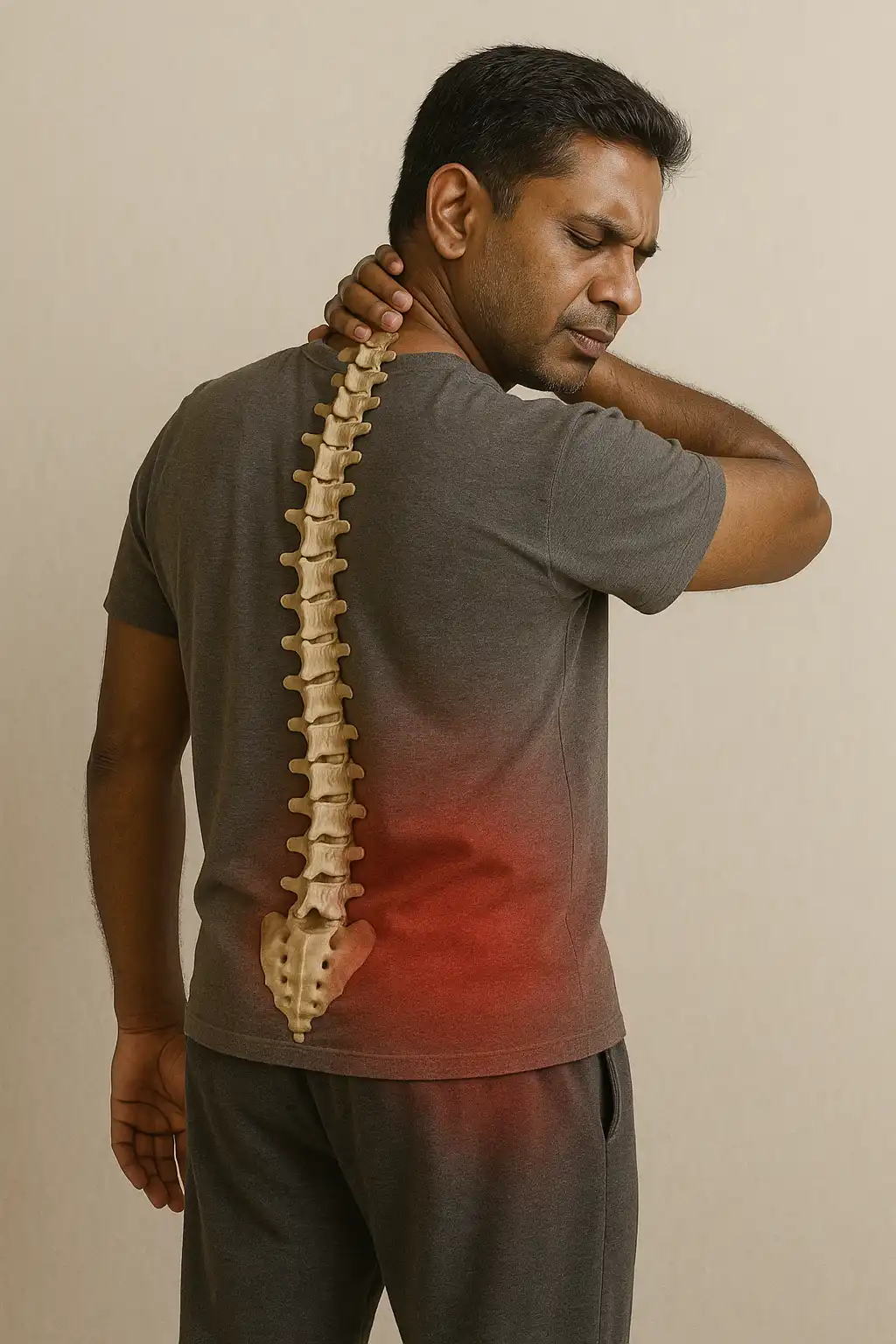
Partial Spinal Cord Injury
Incomplete damage to the spinal cord causing weakness and limited sensation below the injury level.
Partial Spinal Cord Injury
Incomplete damage to the spinal cord causing weakness and limited sensation below the injury level.
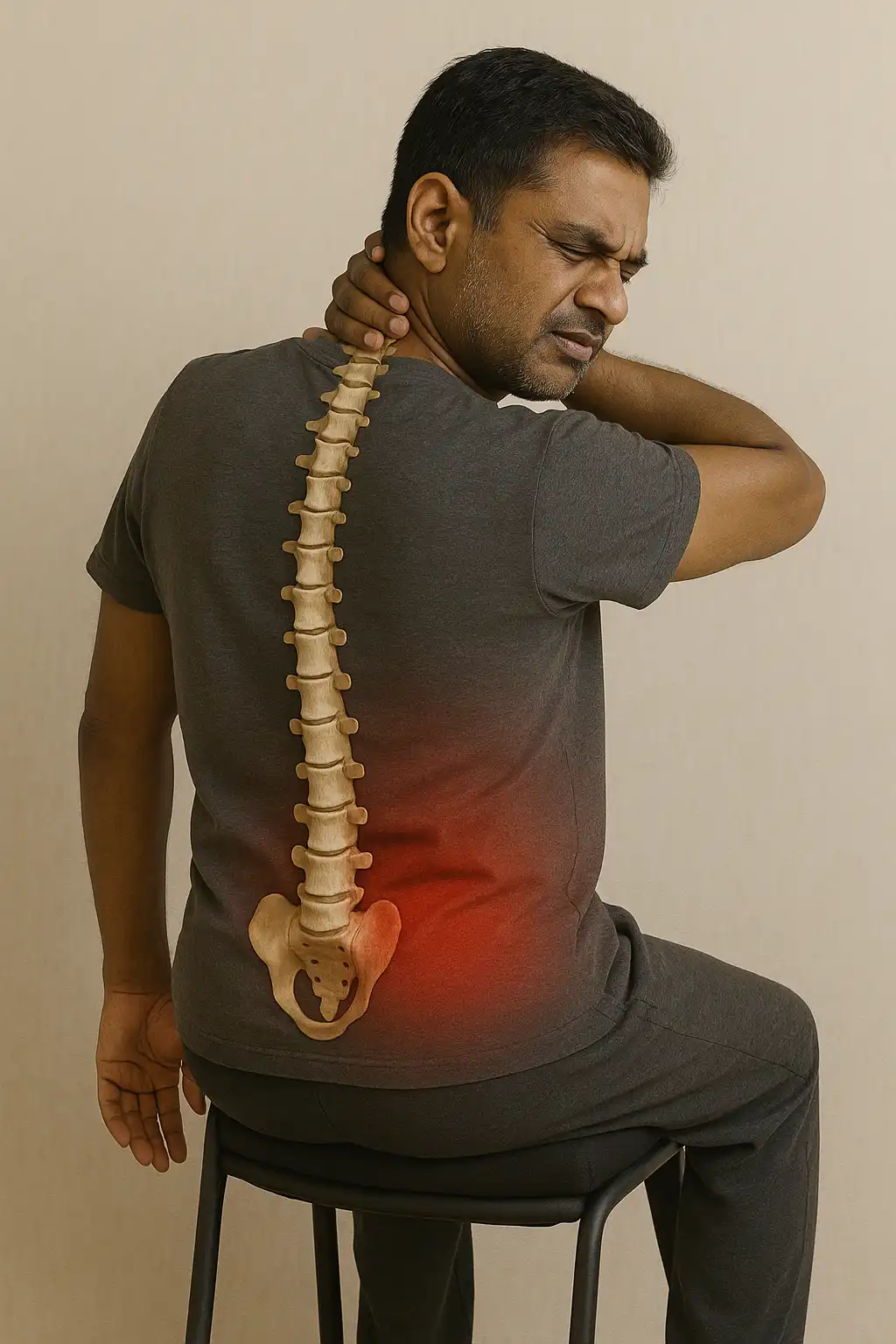
Complete Spinal Cord Injury
Total loss of movement and sensation below the affected spinal segment.
Complete Spinal Cord Injury
Total loss of movement and sensation below the affected spinal segment.
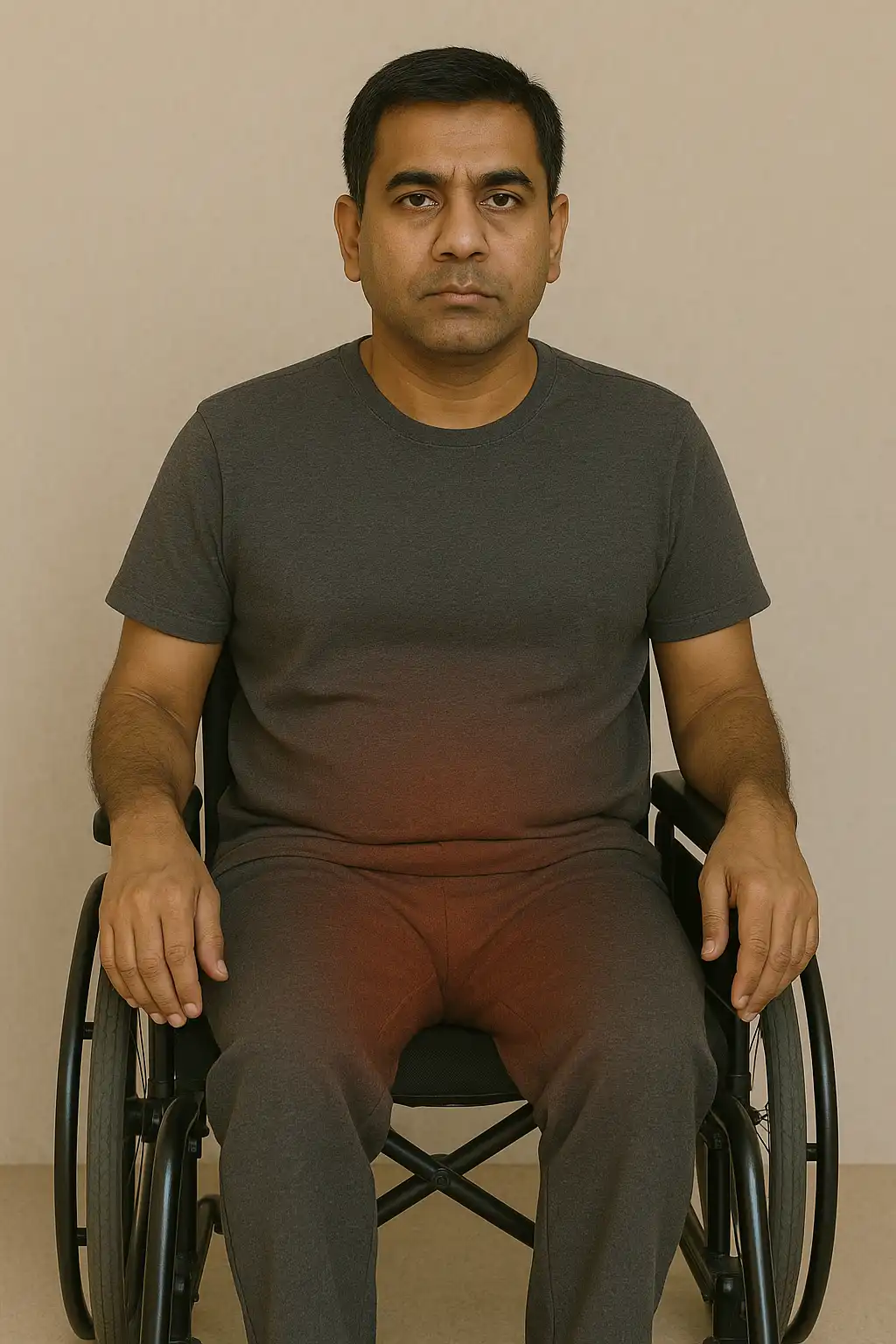
Paraplegia
Paralysis affecting both legs and lower body due to spinal cord damage.
Paraplegia
Paralysis affecting both legs and lower body due to spinal cord damage.
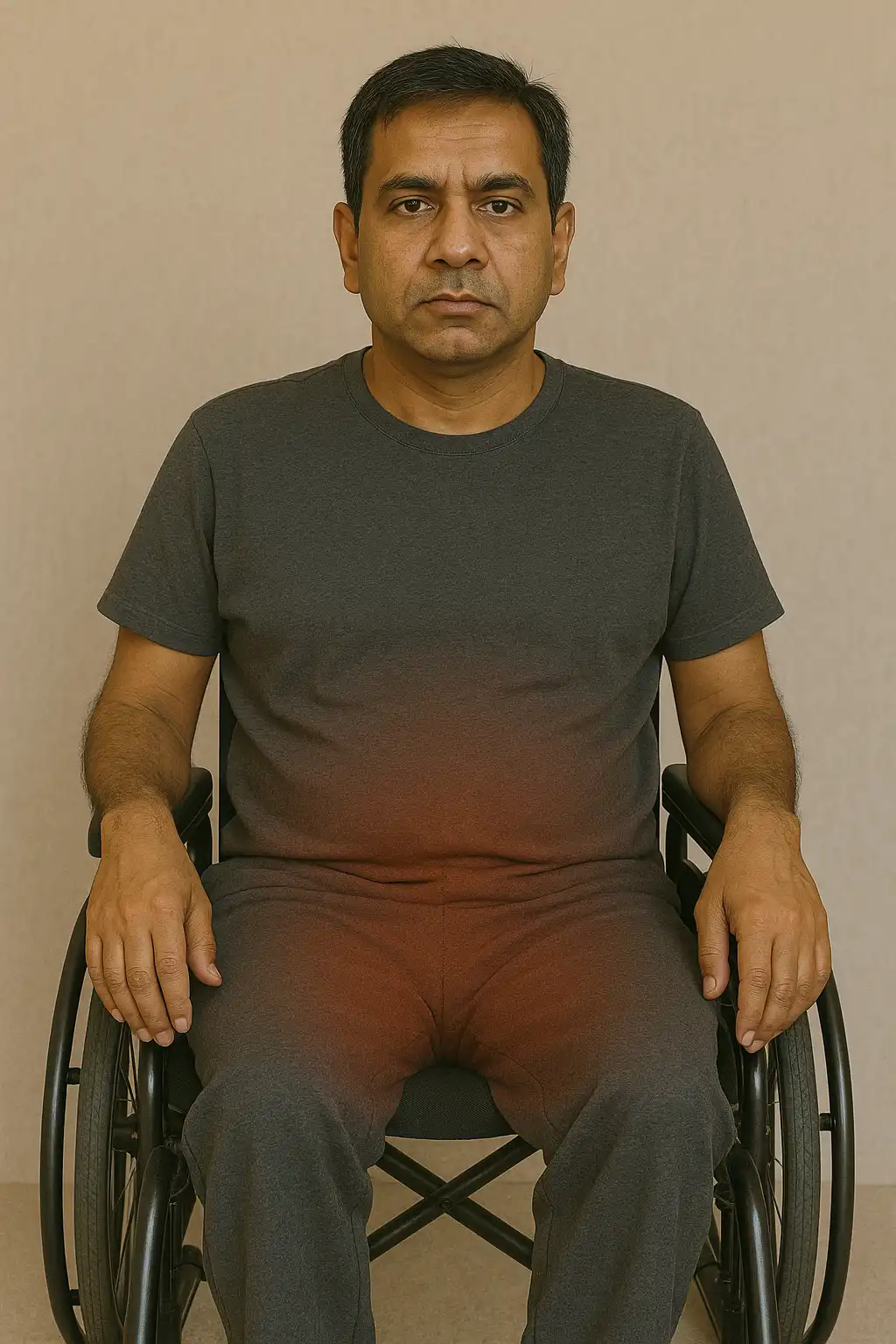
Quadriplegia (Tetraplegia)
Loss of movement and strength in all four limbs following cervical spine injury.
Quadriplegia (Tetraplegia)
Loss of movement and strength in all four limbs following cervical spine injury.
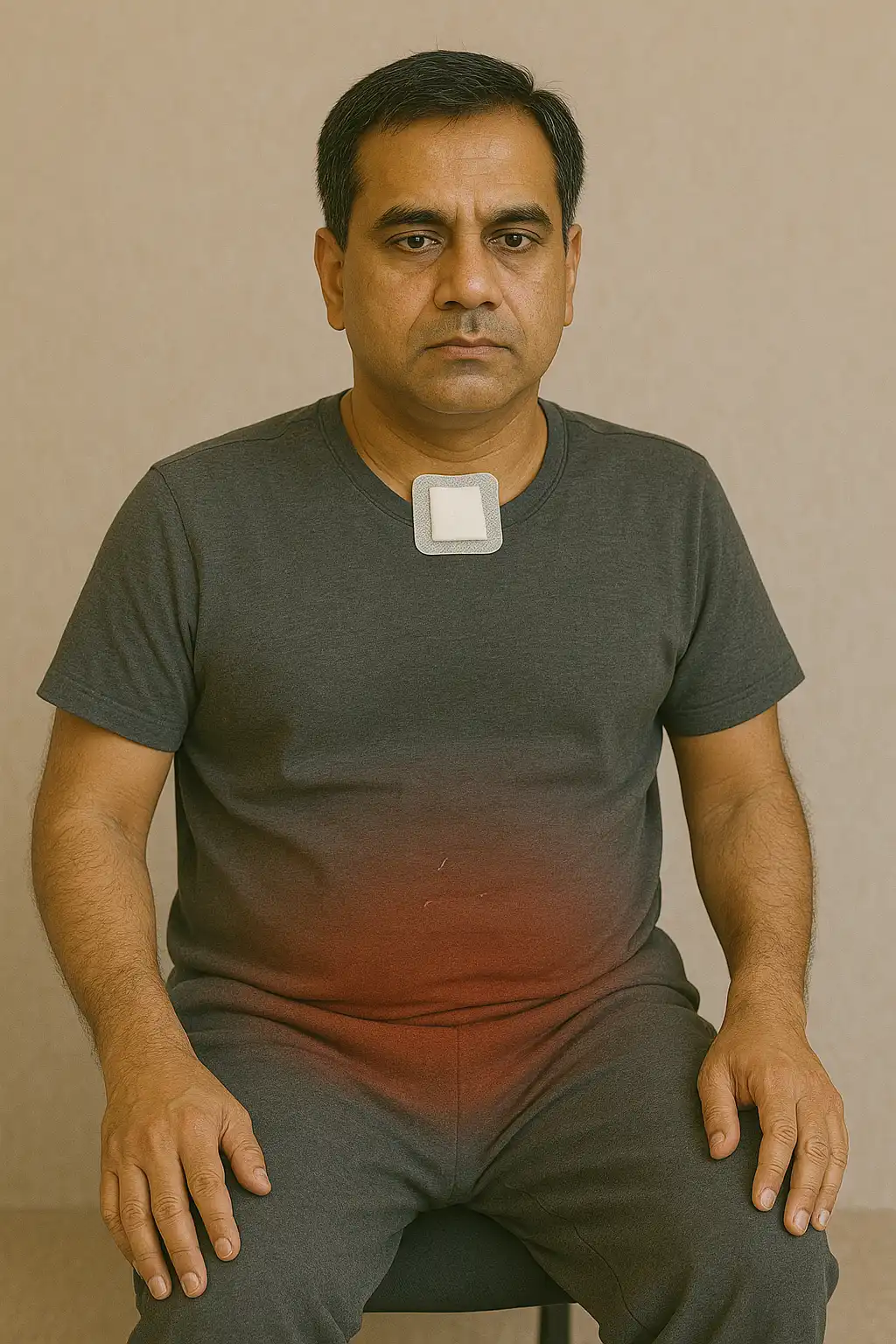
Post-Surgical Spinal Recovery
Stiffness, pain, and weakness after spinal stabilization or decompression surgery.
Post-Surgical Spinal Recovery
Stiffness, pain, and weakness after spinal stabilization or decompression surgery.

Muscle Weakness & Spasticity
Increased muscle tone or involuntary contractions affecting mobility and posture.
Muscle Weakness & Spasticity
Increased muscle tone or involuntary contractions affecting mobility and posture.
Overview
Common Causes of Spinal Cord Injury
Road traffic or fall-related accidents
Sports injuries or trauma
Spinal fractures or dislocations
Tumors or infections affecting the spinal cord
Surgical complications or degenerative spine conditions
Common Symptoms
Partial or complete paralysis
Numbness or loss of sensation in limbs
Muscle stiffness or uncontrolled spasms
Difficulty walking or maintaining balance
Weakness in arms or legs
Bowel or bladder control issues
Diagnosis & Assessment
Neurological assessment of motor and sensory function
Muscle tone and reflex testing
Joint mobility and flexibility check
Functional movement and posture analysis
Assessment of transfer ability (bed, chair, standing)
Risk evaluation for muscle contractures or deformities
How to Prevent Complications After Spinal Cord Injury
Start early physiotherapy once medically cleared
Change positions regularly to prevent pressure sores
Perform passive and active movements to maintain flexibility
Use proper posture and support aids during sitting or sleeping
Maintain healthy skin care and nutrition
Stay consistent with guided rehabilitation exercises
Our Physiotherapy Approach for
Spinal Cord Injury Rehabilitation
Our Physiotherapy Approach for
Spinal Cord Injury Rehabilitation
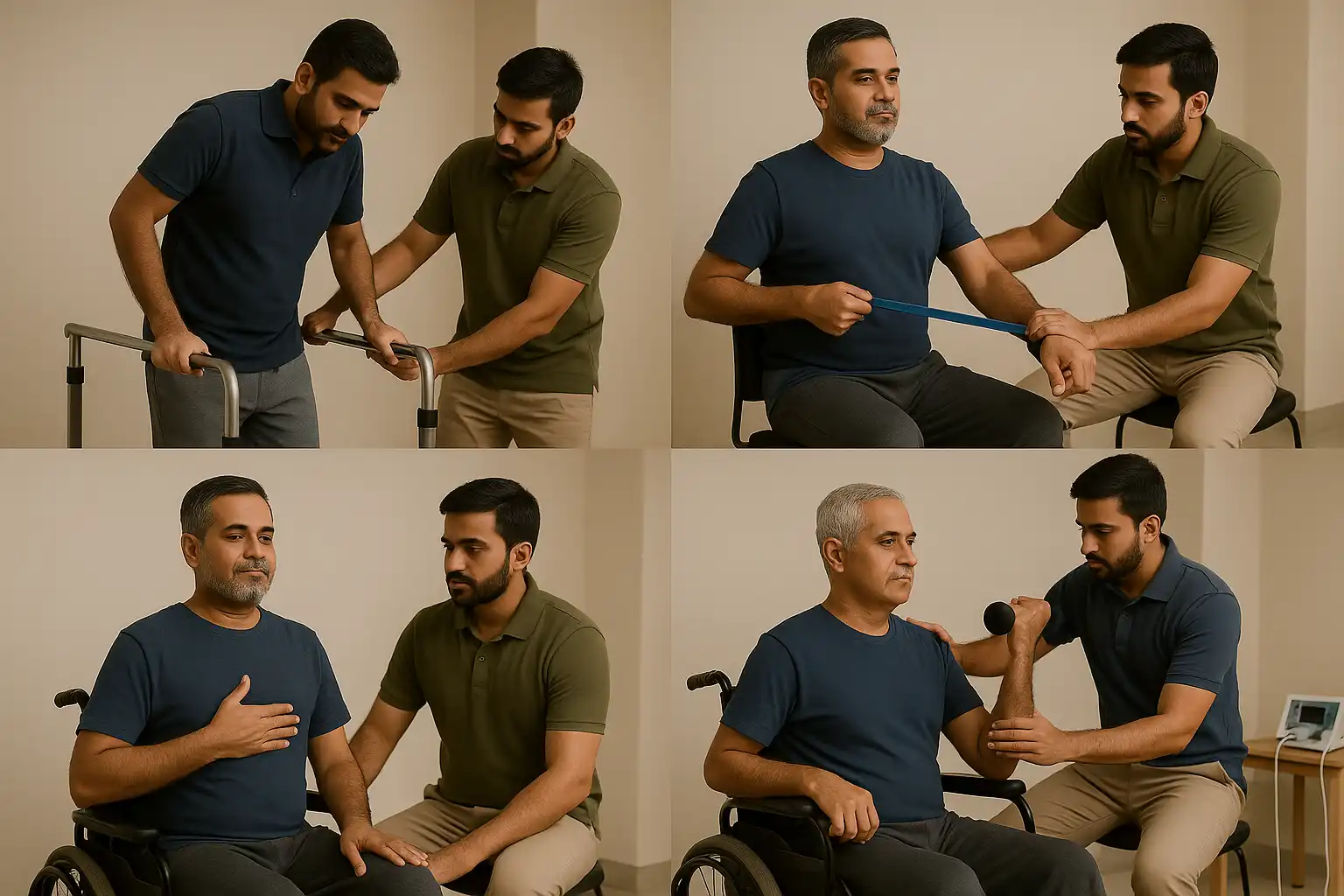
Our approach focuses on rebuilding strength, flexibility, and confidence for improved independence. We use a combination of:
Muscle re-education and strengthening – to activate weak muscles
Muscle re-education and strengthening – to activate weak muscles
Passive and active range-of-motion exercises – to prevent stiffness
Passive and active range-of-motion exercises – to prevent stiffness
Gait and balance training – for standing and walking recovery
Gait and balance training – for standing and walking recovery
Neuro-muscular stimulation – to promote movement control
Neuro-muscular stimulation – to promote movement control
Breathing and posture training – for chest expansion and stability
Breathing and posture training – for chest expansion and stability
Wheelchair mobility and transfer training – for independence in daily life
Wheelchair mobility and transfer training – for independence in daily life
Home Physiotherapy for Spinal Cord Injury
in Gurugram, Delhi NCR, Noida, Faridabad & Ghaziabad
Home Physiotherapy for Spinal Cord Injury
in Gurugram, Delhi NCR, Noida, Faridabad & Ghaziabad
In-Person Sessions
In-Person Sessions
Virtual Sessions
Virtual Sessions
Focus Areas
Our home physiotherapy programs are ideal for SCI patients who need personalized care and comfort. Our therapists bring all necessary rehabilitation equipment and guide both patients and caregivers throughout the recovery journey.
Benefits of Home Physiotherapy:

Comfortable and safe recovery environment
Personalized, one-on-one neurorehabilitation
Reduced travel stress and fatigue
Family and caregiver involvement in every session
Consistent progress monitoring and motivation
Why Choose Our Home Physiotherapy Services
1
Experienced neuro physiotherapists trained in SCI rehabilitation
2
Portable electrotherapy and stimulation devices for home sessions
3
Affordable home care packages in Gurugram, Delhi NCR, Noida, Faridabad and Ghaziabad
FAQ
FAQ
Can stress really cause muscle pain and stiffness?
Can I combine physiotherapy with yoga or meditation?
Will posture correction help prevent stress-induced pain?
How can physiotherapy help relieve stress-related tension?
Can stress really cause muscle pain and stiffness?
Can I combine physiotherapy with yoga or meditation?
Will posture correction help prevent stress-induced pain?
How can physiotherapy help relieve stress-related tension?