
Pelvic Floor Rehabilitation Physiotherapy at Home – Strengthen Core & Restore Confidence
in Gurugram, Delhi NCR, Noida, Faridabad & Ghaziabad
Pelvic Floor Rehabilitation Physiotherapy at Home – Strengthen Core & Restore Confidence
in Gurugram, Delhi NCR, Noida, Faridabad & Ghaziabad
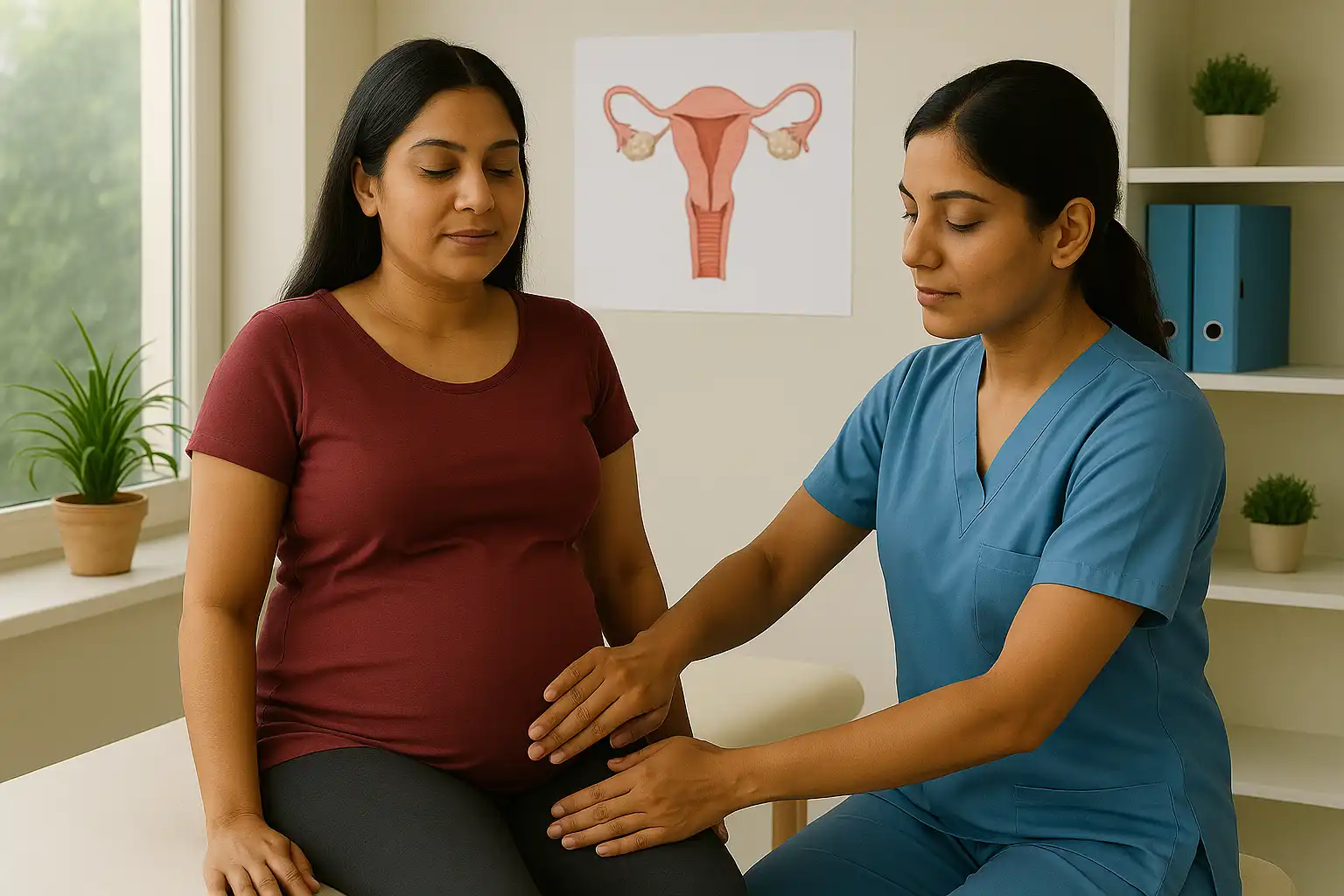
Understanding Pelvic Floor Rehabilitation
The pelvic floor is a group of muscles that support the bladder, uterus, and bowel. Weakness or tension in these muscles can cause issues like urinary leakage, pelvic pain, or postnatal discomfort. Pelvic floor physiotherapy helps restore muscle strength, coordination, and function through guided exercises and relaxation techniques. Our expert physiotherapists provide private, comfortable home sessions to help you regain confidence and control.
Conditions We Treat
Conditions We Treat
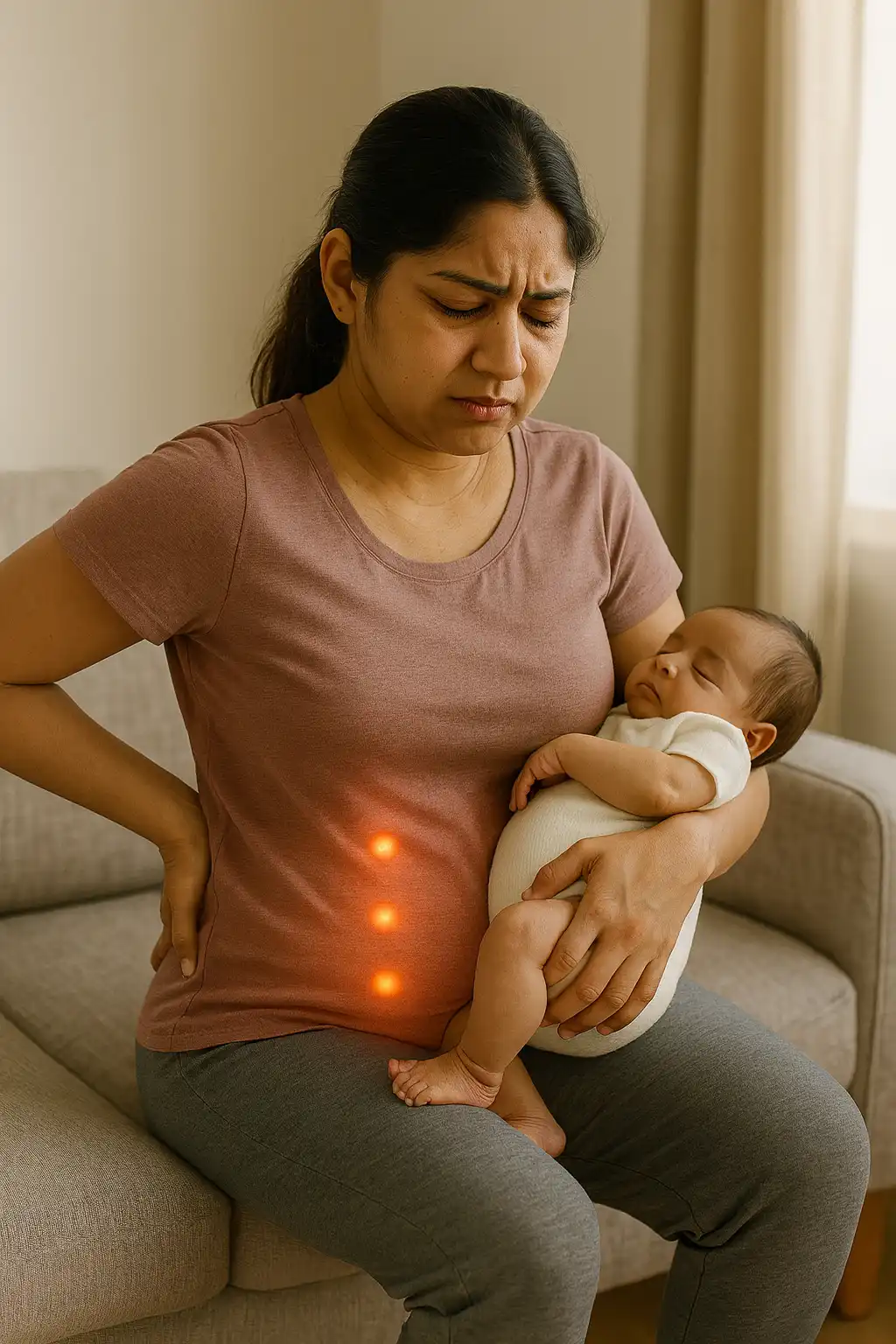
Pelvic Floor Rehabilitation
Weakness and loss of support in pelvic muscles following childbirth.
Pelvic Floor Rehabilitation
Weakness and loss of support in pelvic muscles following childbirth.
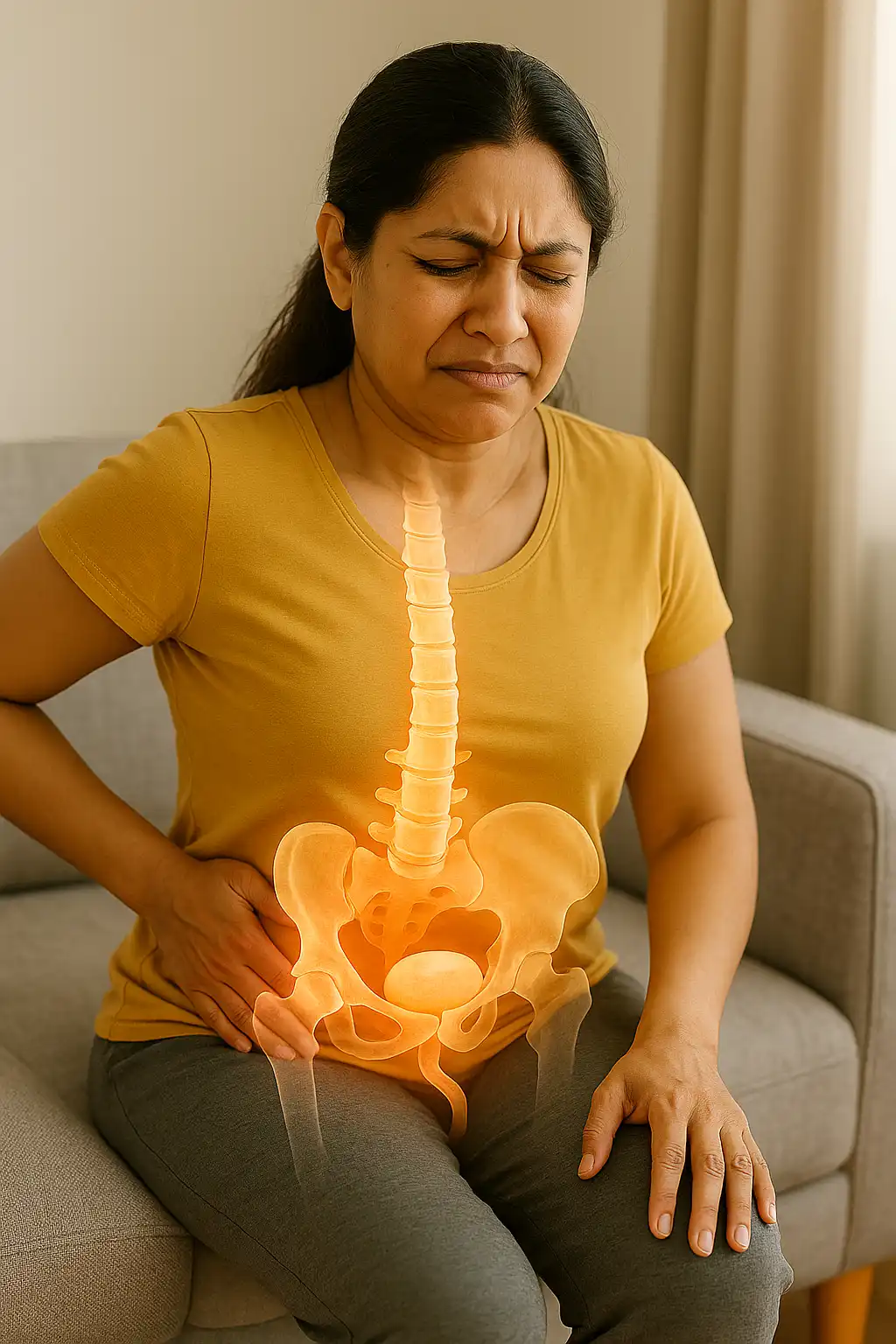
Pelvic Organ Prolapse
Downward shifting of pelvic organs causing pressure and discomfort in the lower abdomen.
Pelvic Organ Prolapse
Downward shifting of pelvic organs causing pressure and discomfort in the lower abdomen.
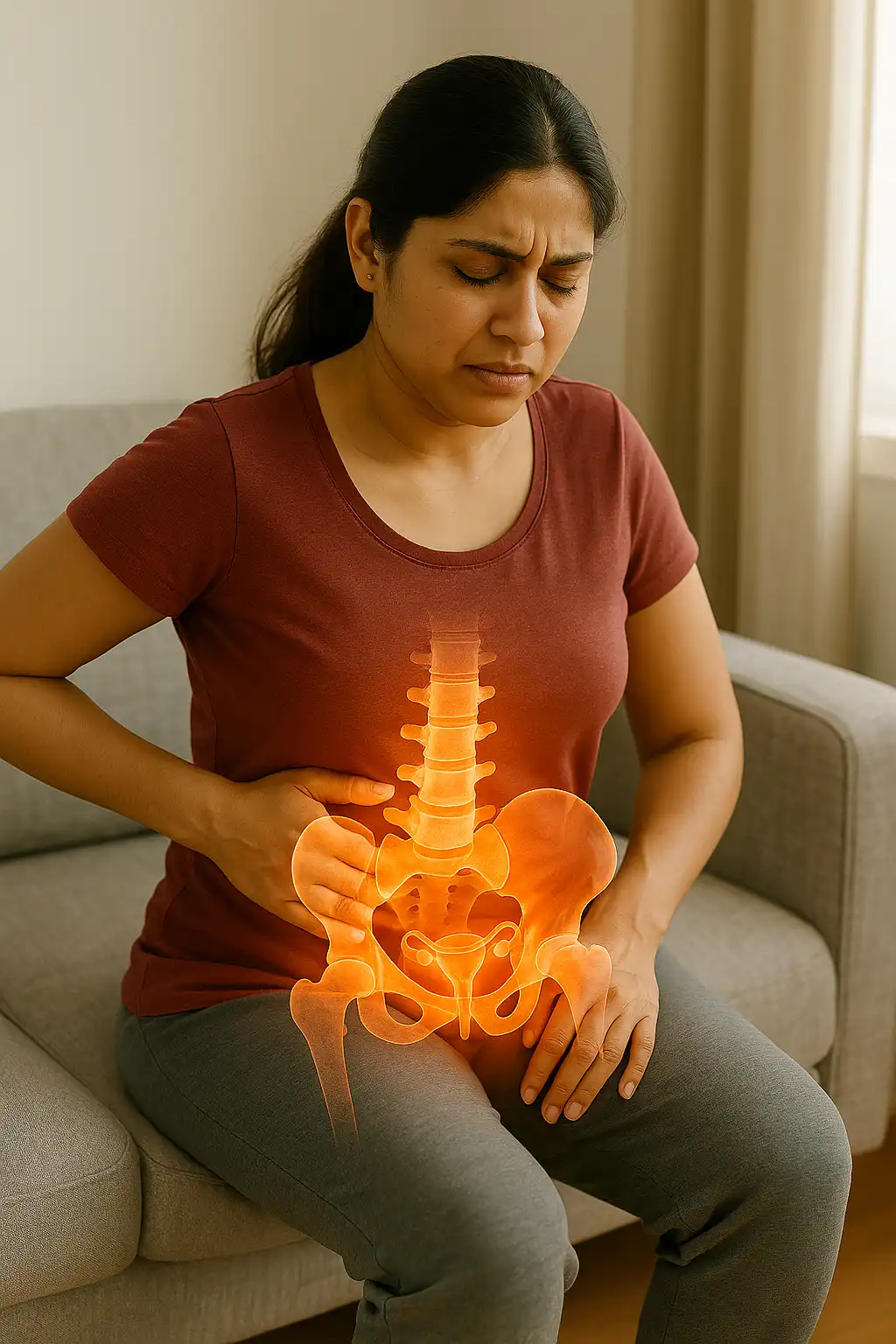
PCOS/Pelvic Pain Management
Chronic pain or tension in the pelvic region due to muscle spasm or imbalance.
PCOS/Pelvic Pain Management
Chronic pain or tension in the pelvic region due to muscle spasm or imbalance.
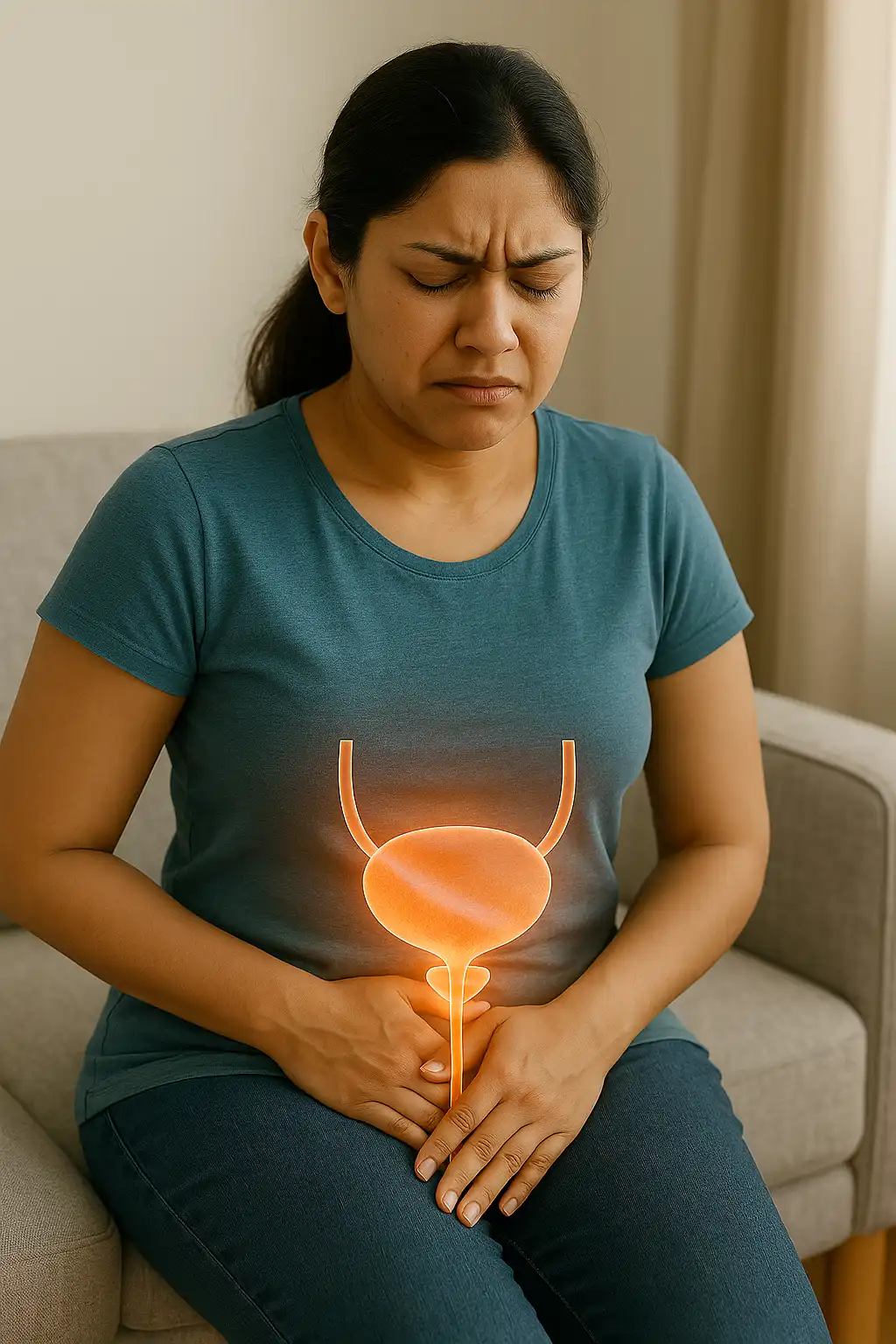
Urinary Incontinence & Bladder Control Issues
Involuntary urine leakage or difficulty controlling bladder due to weak pelvic muscles.
Urinary Incontinence & Bladder Control Issues
Involuntary urine leakage or difficulty controlling bladder due to weak pelvic muscles.
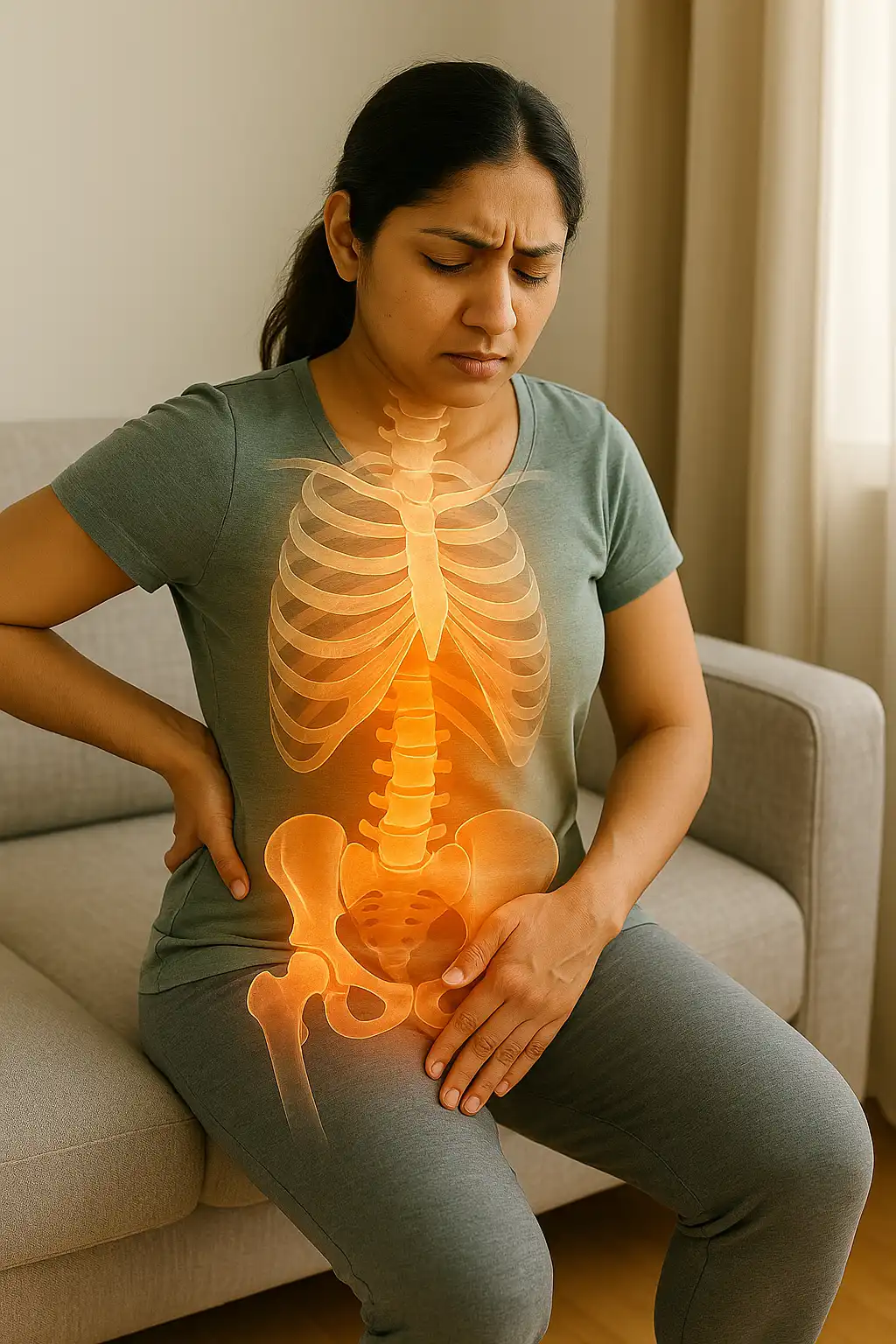
Core Instability & Posture Problems
Reduced abdominal and pelvic stability affecting posture and spinal support.
Core Instability & Posture Problems
Reduced abdominal and pelvic stability affecting posture and spinal support.
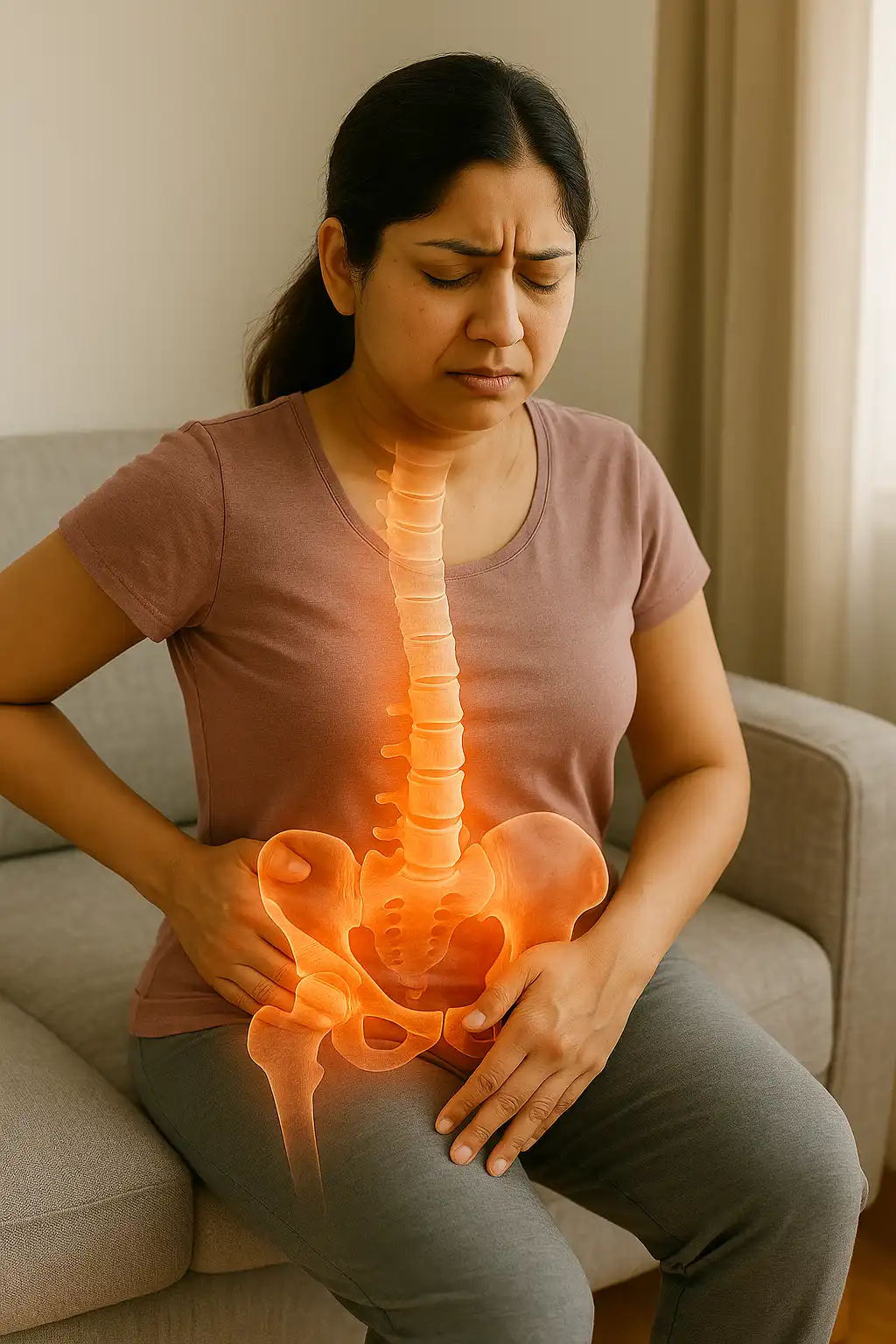
Pre- & Post-Surgical Pelvic Rehabilitation
Pelvic muscle weakness or stiffness before or after gynecological or urological surgery.
Pre- & Post-Surgical Pelvic Rehabilitation
Pelvic muscle weakness or stiffness before or after gynecological or urological surgery.
Overview
Common Causes of Pelvic Floor Dysfunction
Pregnancy and childbirth
Menopause and hormonal changes
Surgery or pelvic trauma
Obesity or chronic coughing
Poor posture or weak core muscles
Overactive pelvic muscles or prolonged straining
Common Symptoms
Urinary leakage during coughing, sneezing, or exercise
Pelvic heaviness or pressure
Pain during daily activities or intimacy
Frequent urination or difficulty emptying the bladder
Postnatal pelvic weakness or instability
Diagnosis & Assessment
Pelvic muscle strength and endurance testing
Postural and core stability evaluation
Breathing and muscle coordination check
Screening for pain, prolapse, or incontinence
Personalized goal setting for recovery
How to Prevent Pelvic Floor Weakness
Practice pelvic floor (Kegel) exercises regularly
Maintain good posture during sitting and standing
Avoid heavy lifting or prolonged straining
Stay active with guided, low-impact exercises
Maintain healthy body weight to reduce pelvic pressure
Seek early physiotherapy after childbirth or surgery
Our Physiotherapy Approach for
Pelvic Floor Rehabilitation
Our Physiotherapy Approach for
Pelvic Floor Rehabilitation
Our approach focuses on restoring strength, stability, and comfort through safe, evidence-based techniques. We use a combination of:
Pelvic floor activation and relaxation exercises – to regain control
Pelvic floor activation and relaxation exercises – to regain control
Core and posture training – to support pelvic stability
Core and posture training – to support pelvic stability
Breathing and coordination techniques – for optimal muscle engagement
Breathing and coordination techniques – for optimal muscle engagement
Biofeedback and manual therapy – for guided correction (if applicable)
Biofeedback and manual therapy – for guided correction (if applicable)
Electrotherapy (if needed) – to improve muscle response
Electrotherapy (if needed) – to improve muscle response
Lifestyle and ergonomic guidance – for long-term results
Lifestyle and ergonomic guidance – for long-term results
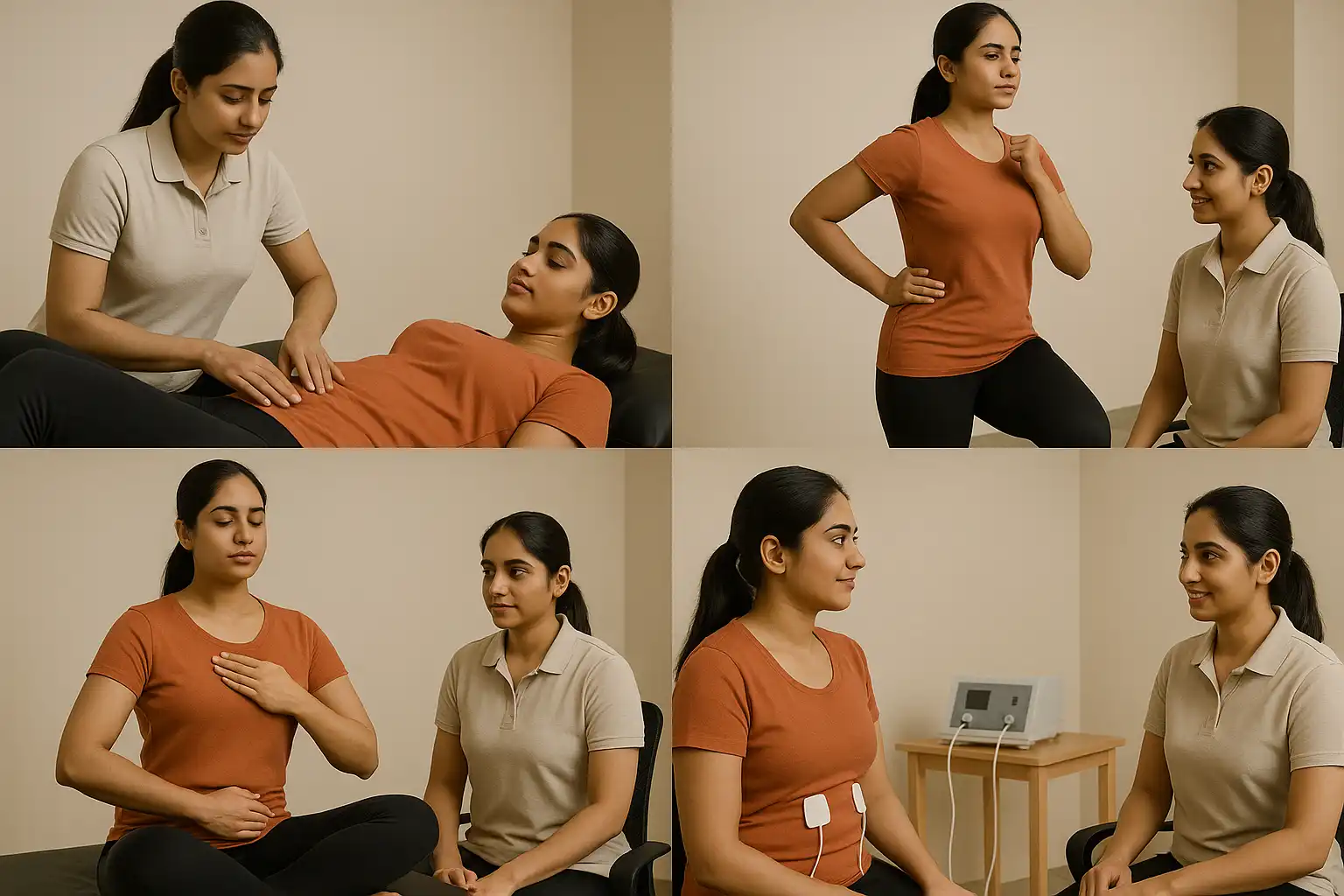
Home Physiotherapy for Pelvic Floor Rehabilitation
in Gurugram, Delhi NCR, Noida, Faridabad & Ghaziabad
Home Physiotherapy for Pelvic Floor Rehabilitation
in Gurugram, Delhi NCR, Noida, Faridabad & Ghaziabad
In-Person Sessions
In-Person Sessions
Virtual Sessions
Virtual Sessions
Focus Areas
Our home physiotherapy sessions provide privacy, comfort, and convenience — ideal for women recovering from childbirth, surgery, or pelvic dysfunction.
Benefits of Home Physiotherapy:

Private, one-on-one sessions in a comfortable setting
No travel or clinic visits required
Personalized programs designed for your needs
Focus on relaxation, control, and recovery
Education for self-care and long-term wellness
Why Choose Our Home Physiotherapy Services
1
Certified female physiotherapists specializing in pelvic health
2
Discreet, private, and comfortable home sessions
3
Affordable home care packages in Gurugram, Delhi NCR, Noida, Faridabad and Ghaziabad
FAQ
FAQ
Can stress really cause muscle pain and stiffness?
Can I combine physiotherapy with yoga or meditation?
Will posture correction help prevent stress-induced pain?
How can physiotherapy help relieve stress-related tension?
Can stress really cause muscle pain and stiffness?
Can I combine physiotherapy with yoga or meditation?
Will posture correction help prevent stress-induced pain?
How can physiotherapy help relieve stress-related tension?