
Cerebral Palsy Physiotherapy at Home – Gentle & Effective Therapy for Children
in Gurugram, Delhi NCR, Noida, Faridabad & Ghaziabad
Cerebral Palsy Physiotherapy at Home – Gentle & Effective Therapy for Children
in Gurugram, Delhi NCR, Noida, Faridabad & Ghaziabad
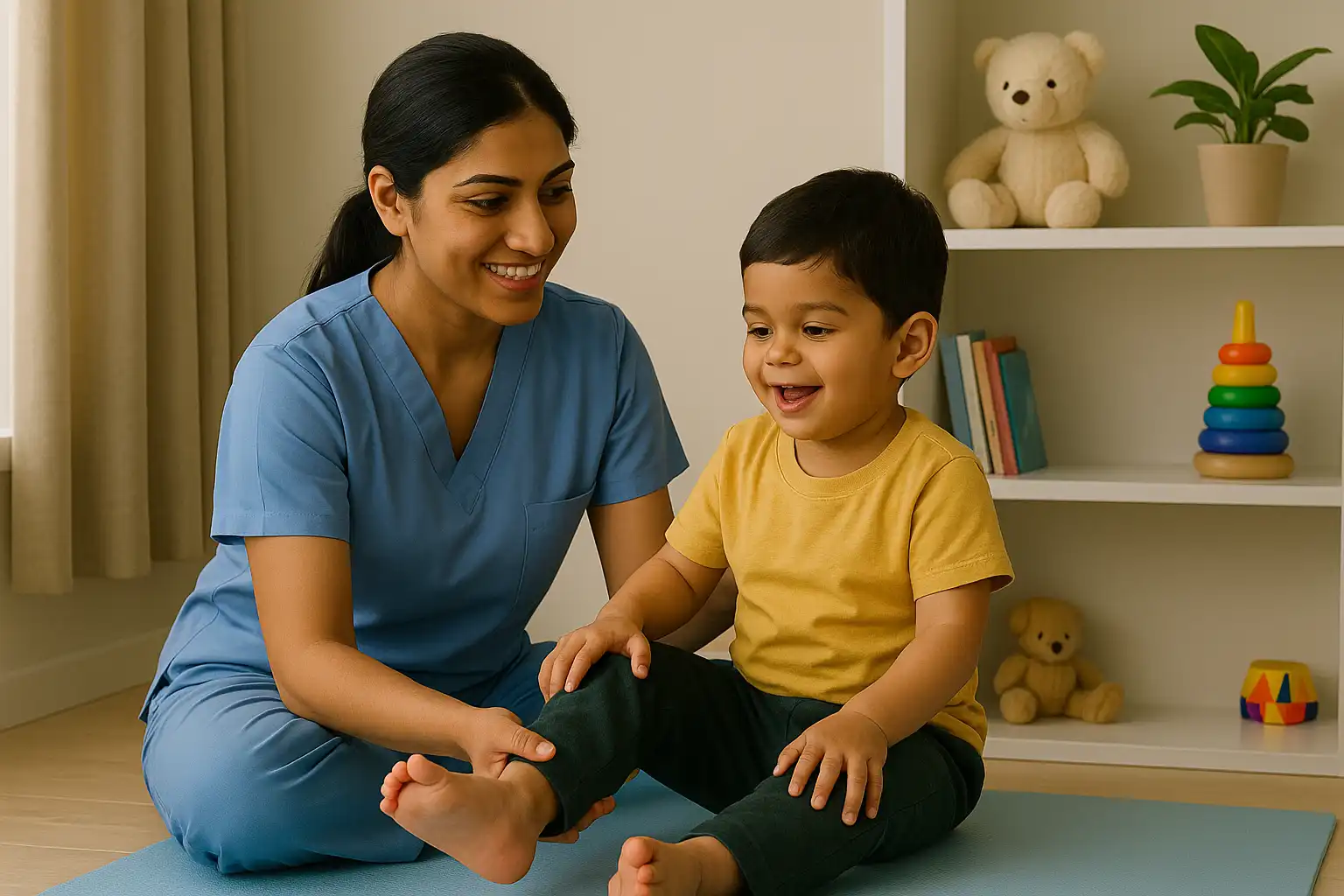
Understanding Cerebral Palsy Therapy
Cerebral Palsy (CP) is a neurological condition that affects muscle tone, movement, and motor skills. It is usually caused by brain injury before, during, or shortly after birth. While CP cannot be cured, physiotherapy plays a vital role in improving mobility, strength, posture, and independence — helping children lead active, fulfilling lives. Our home-based cerebral palsy physiotherapy offers a safe, familiar, and motivating environment where children can progress comfortably under expert supervision.
Conditions We Treat
Conditions We Treat

Spastic Cerebral Palsy
Increased muscle stiffness and tightness causing restricted and jerky movements.
Spastic Cerebral Palsy
Increased muscle stiffness and tightness causing restricted and jerky movements.
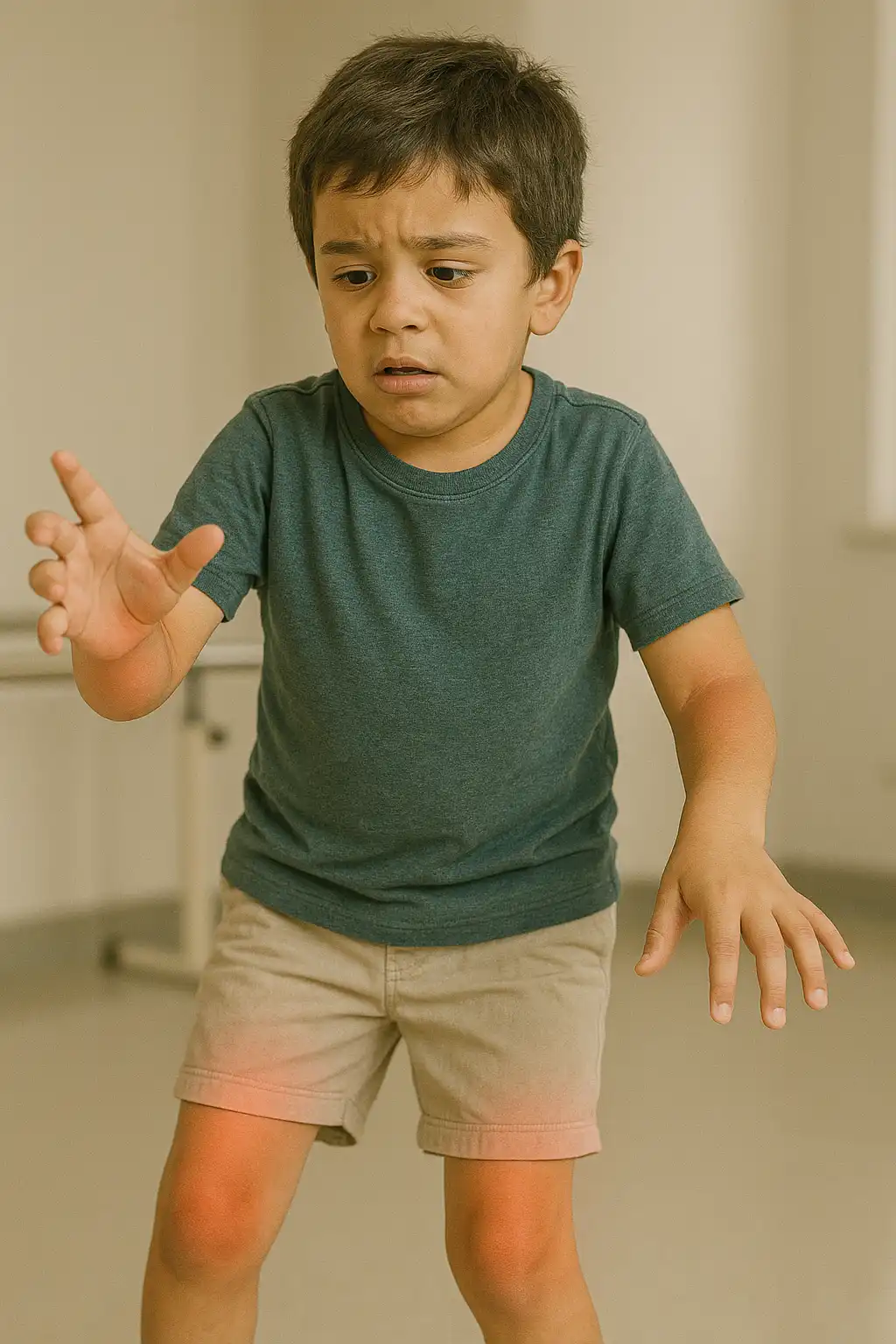
Ataxic Cerebral Palsy
Poor balance and coordination leading to unsteady walking and fine motor difficulty.
Ataxic Cerebral Palsy
Poor balance and coordination leading to unsteady walking and fine motor difficulty.
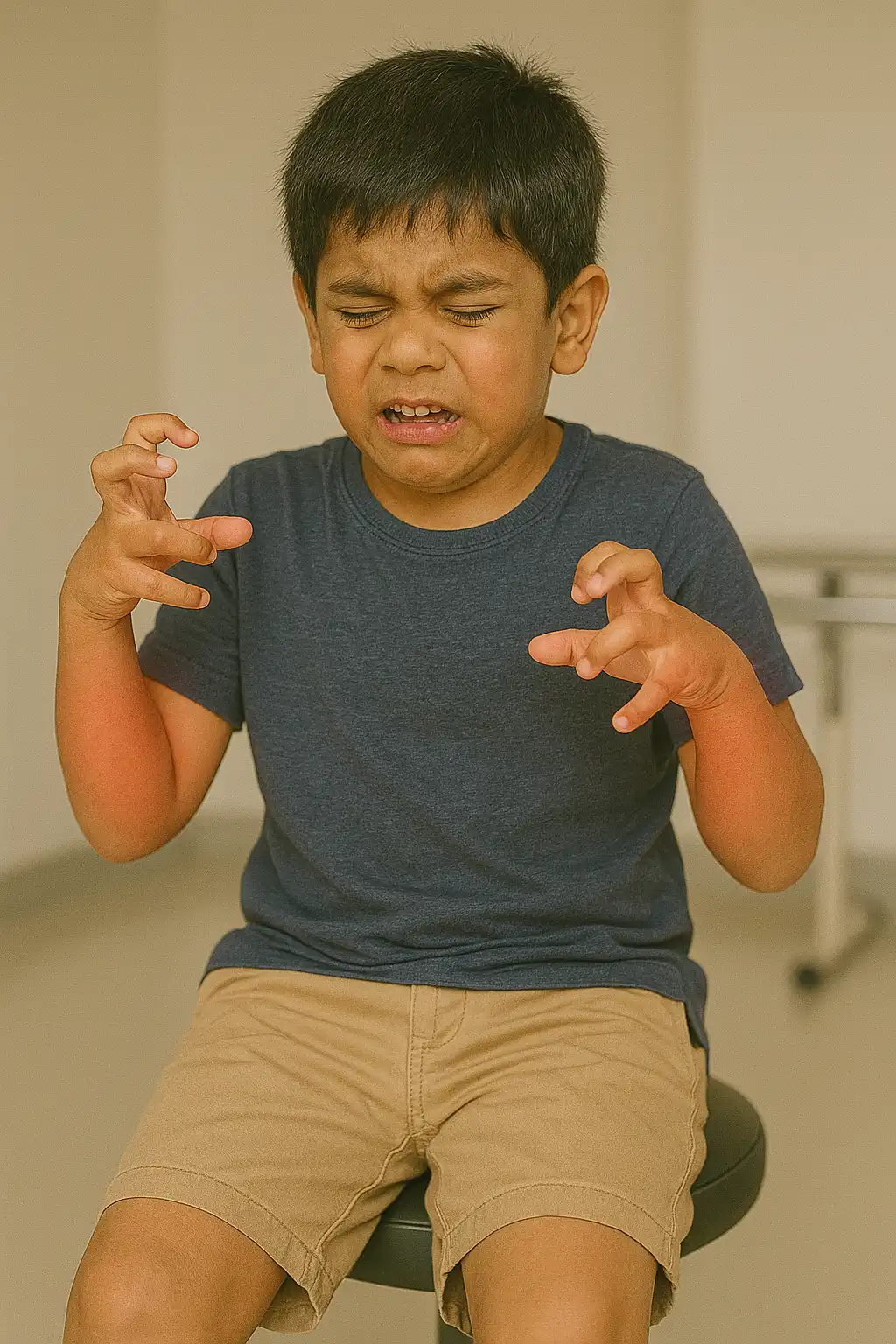
Dyskinetic Cerebral Palsy
Uncontrolled, slow, or twisting movements affecting arms, legs, and face muscles.
Dyskinetic Cerebral Palsy
Uncontrolled, slow, or twisting movements affecting arms, legs, and face muscles.
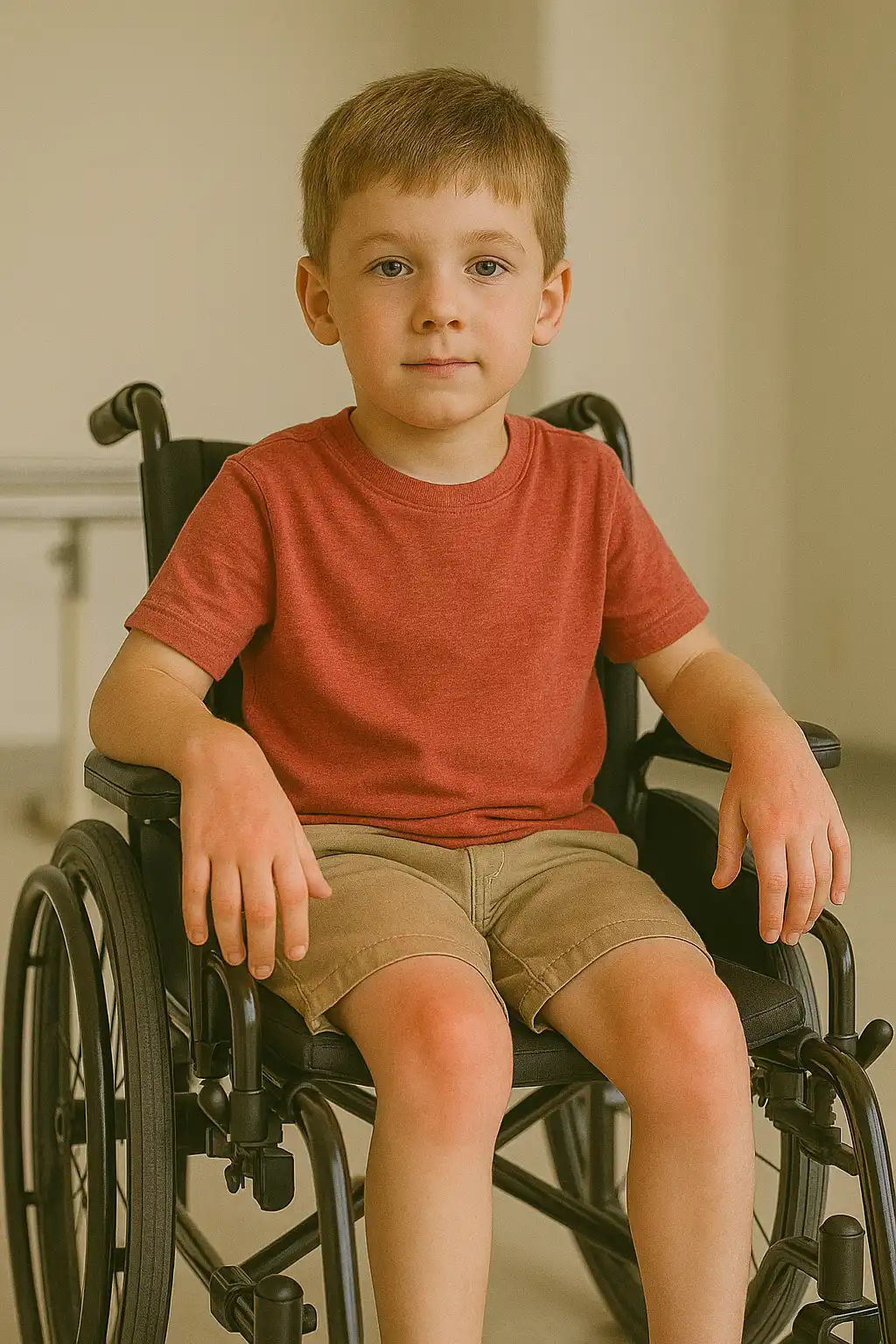
Cerebral Palsy Pediatric
(Children)
A developmental neurological disorder causing muscle stiffness, movement difficulties, and delayed motor milestones in children.
Cerebral Palsy Pediatric
A developmental neurological disorder causing muscle stiffness, movement difficulties, and delayed motor milestones in children.
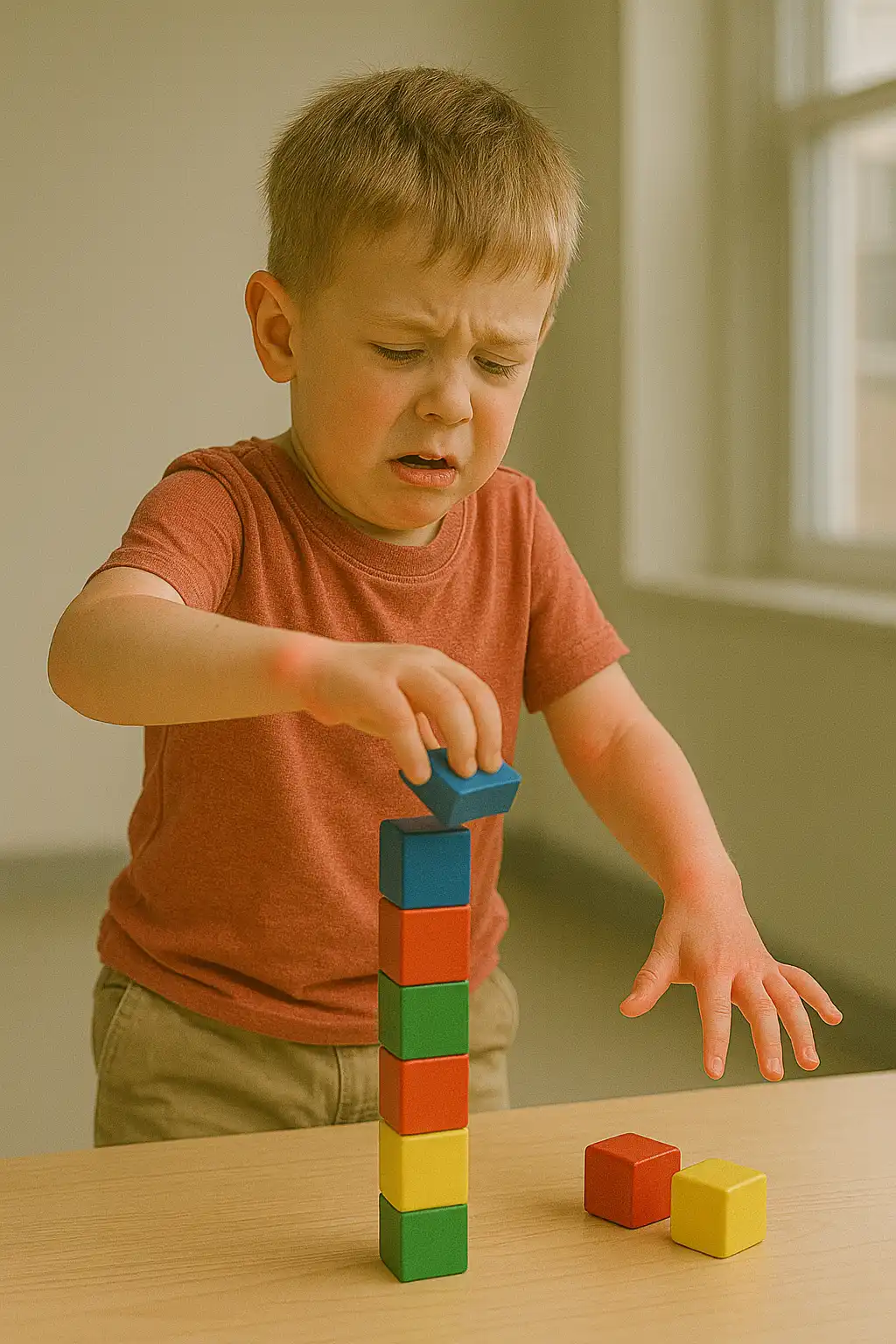
Developmental
Coordination Delay
Slow motor development affecting posture, walking, and daily activity skills.
Developmental
Slow motor development affecting posture, walking, and daily activity skills.
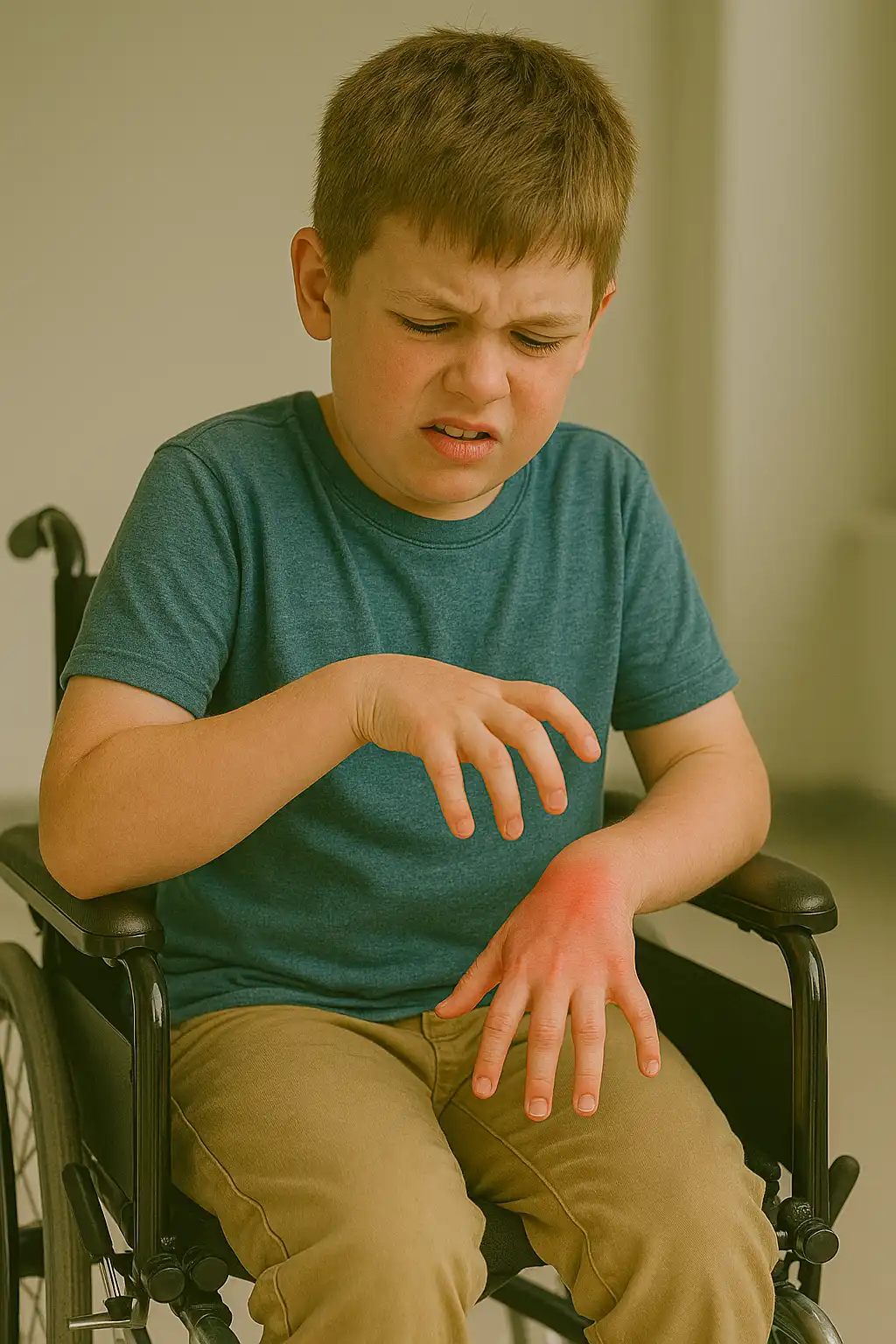
Genetic Motor Disorder
Reduced control and strength in limbs impacting functional independence.
Genetic Motor Disorder
Reduced control and strength in limbs impacting functional independence.
Overview
Common Causes of Cerebral Palsy
Brain injury during or after birth
Premature delivery or low oxygen levels
Genetic or developmental abnormalities
Infections during pregnancy
Head trauma or neonatal jaundice
Lack of blood supply to the brain
Common Symptoms
Muscle stiffness or spasticity
Weakness or floppy limbs
Delayed sitting, crawling, or walking
Poor coordination or balance
Involuntary movements or tremors
Abnormal posture or gait pattern
Diagnosis & Assessment
Muscle tone and flexibility evaluation
Joint range of motion testing
Postural and gait analysis
Functional independence level assessment
Strength, coordination, and balance testing
Family and caregiver consultation for support planning
How to Prevent Complications in Cerebral Palsy
Begin early physiotherapy intervention for best long-term results
Encourage regular movement and stretching to avoid contractures
Maintain proper sitting and sleeping postures
Use supportive aids and braces recommended by therapists
Engage in daily play and mobility activities
Ensure ongoing monitoring by healthcare professionals
Our Physiotherapy Approach for Cerebral Palsy
Our Physiotherapy Approach for Cerebral Palsy
Our programs combine movement training, strengthening, and sensory activities to promote functional independence. We use a combination of:
Range of motion and stretching exercises – to reduce stiffness
Range of motion and stretching exercises – to reduce stiffness
Strengthening activities – to build control and stability
Strengthening activities – to build control and stability
Balance and coordination training – to improve movement accuracy
Balance and coordination training – to improve movement accuracy
Gait and posture retraining – to promote natural walking
Gait and posture retraining – to promote natural walking
Play-based therapy – to make sessions enjoyable and motivating
Play-based therapy – to make sessions enjoyable and motivating
Family and caregiver education – for daily support and home exercises
Family and caregiver education – for daily support and home exercises
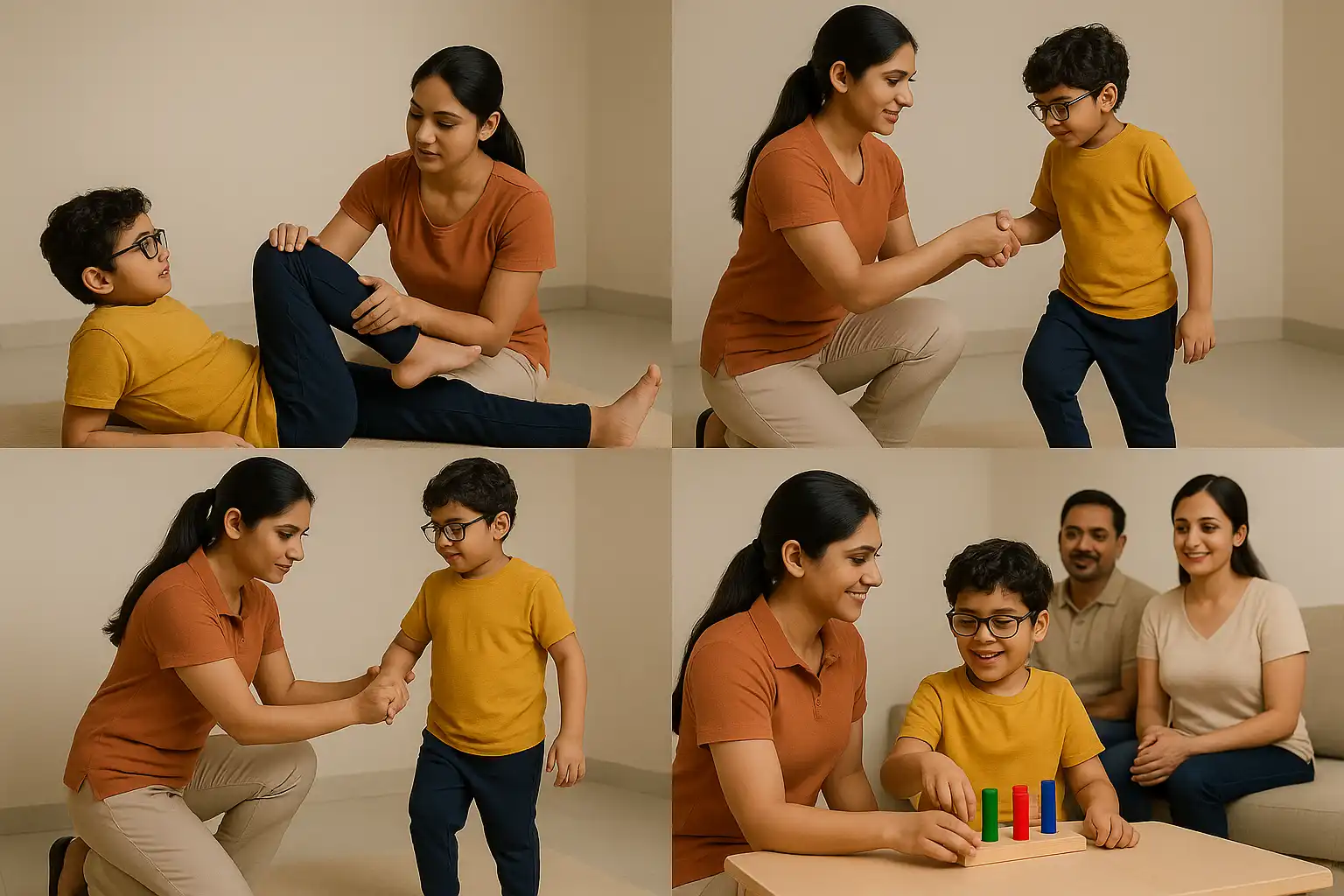
Home Physiotherapy for Cerebral Palsy
in Gurugram, Delhi NCR, Noida, Faridabad & Ghaziabad
Home Physiotherapy for Cerebral Palsy
in Gurugram, Delhi NCR, Noida, Faridabad & Ghaziabad
In-Person Sessions
In-Person Sessions
Virtual Sessions
Virtual Sessions
Focus Areas
Our home physiotherapy services allow children to learn and grow in a comfortable environment surrounded by family. Each session is customized to support the child’s progress physically and emotionally.
Benefits of Home Physiotherapy:

Therapy in a familiar, safe setting
Individual attention and continuous progress tracking
Reduced travel stress for the child and family
Active family participation and encouragement
Consistent and long-term improvement
Why Choose Our Home Physiotherapy Services
1
Certified pediatric and neuro physiotherapists with CP expertise
2
Gentle, customized techniques to match each child’s needs
3
Use of sensory and functional activities for faster progress
FAQ
FAQ
Can stress really cause muscle pain and stiffness?
Can I combine physiotherapy with yoga or meditation?
Will posture correction help prevent stress-induced pain?
How can physiotherapy help relieve stress-related tension?
Can stress really cause muscle pain and stiffness?
Can I combine physiotherapy with yoga or meditation?
Will posture correction help prevent stress-induced pain?
How can physiotherapy help relieve stress-related tension?